
The Johnnies Blog
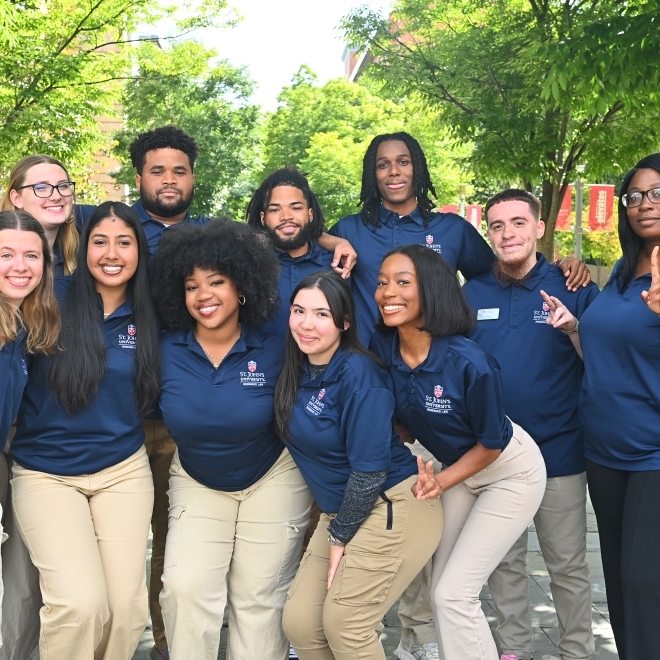

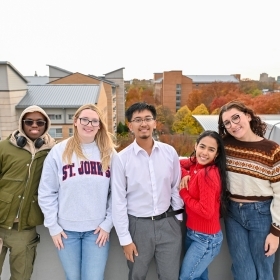

Choosing a College in New York City: What Students Should Know
New York City (NYC) is fast-paced, diverse, and constantly evolving. It can feel energizing and, at times, overwhelming. That mix is part of what shapes many students in powerful ways. Living and studying here challenges you to grow, adapt, and engage with perspectives you may not encounter anywhere else.
Whether you’re from a small town, a suburb, or another major city, this environment truly has something to offer. As you navigate your final college decision, here are a few pieces of advice to consider if New York City is on your top places to to call home for your academic journey.

A Step-by-Step Guide to Apply for Scholarships
College is an investment in your future, but figuring out how to pay for it can feel overwhelming. Scholarships are one of the most effective ways to lower college costs, yet many students do not realize how accessible they can be. This guide walks you through the scholarship application process step-by-step, helping you find opportunities, prepare your materials, and apply with confidence.

After You Submit Your College Application: What Comes Next
After hours of research, planning, and gathering materials, you’ve finally submitted your application. Now that you can close that door, you might wonder what comes next.
The time after applying to college can feel oddly quiet, and it is easy to take it for granted. However, this is actually a vital period to complete important tasks that support your college admission journey.
What do College Rankings Mean for Your Search?
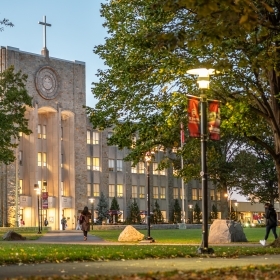
College rankings are everywhere, from search results and brochures to social media and everyday conversations. With so many lists out there, it can feel like numbers alone are shaping your future, especially when a school ranks higher on one list and lower on another.
College Application Checklist: Requirements, Tips, and Timeline
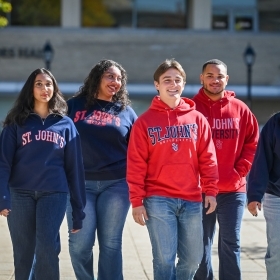
Essays, recommendation letters, deadlines, score reports; applying to college is a lot. But with a clear plan, you’ll stay on top of everything and avoid last-minute stress.
This simple college application checklist guides you on what you need, when to do it, and how to succeed.

What it Means to be a Nontraditional Student and How to Succeed
College isn’t a one-size-fits-all journey. And today, more students than ever are taking paths that don’t fit the old, traditional mold. You might be returning after time away, balancing a full-time job or family responsibilities, transferring from another school, or finally deciding it’s your moment to pursue the degree you’ve always wanted.
In this blog, we explore what it actually means to be a nontraditional student, the strengths you already bring to the classroom, and the flexible options that can help you earn a degree on a timeline that works for your life.
4 Flexible Ways to Earn a College Degree on Your Schedule
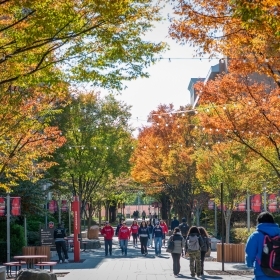
The traditional college model wasn’t designed for the way most students live today. Work schedules, family responsibilities, financial realities, and shifting timelines all influence how—and when—you pursue your degree. For many, the biggest challenge isn’t choosing a major; it’s finding a pathway that actually aligns with the life you’re already managing. That’s why colleges and universities like St. John’s University are reshaping what flexible learning can look like.
In this guide, we break down four realistic pathways that give you more control over how you learn so you can find an option that truly fits.