Fast Track to Impact: How St. John’s Accelerated My Homeland Security Career

Michael Trivino '25CCPS shares how St. John’s University’s Fast Track program helped him complete a Homeland Security degree, gain real-world experience, and build a successful career.
I started my academic journey at St. John’s as a Homeland Security major with a strong interest in emergency management. When I learned that The Lesley H. and William L. Collins College of Professional Studies offered a Fast Track option, the decision felt clear.
I knew it was the perfect way to build advanced skills more quickly and connect undergraduate learning to graduate-level leadership courses. By the time I was a junior, I was ready to take that next step.
An Inside Look at My Fast Track Experience
Balancing Student Life
One misconception about pursuing an accelerated degree is that you lose out on the traditional college experience. However, I can say that I stayed fully involved in student life, serving as a Resident Assistant in the Office of Residence Life and working in Operations and Event Support Services.
These roles kept me connected to campus, while the program allowed me to begin graduate-level work early. It truly felt like I had the best of both worlds.
Impactful Coursework and Career Development
Taking graduate courses alongside my undergraduate classes gave me an early edge, especially in critical incident leadership, intelligence analysis, and emergency planning.
One of the most impactful courses I’ve taken was HLS 103: Critical Infrastructure Vulnerability Analysis and Protection with Bernard A. Jones, DSc. This course gave me the tools to analyze threats and vulnerabilities that impact critical infrastructure and provided a deeper understanding of resilience and continuity strategies. Dr. Jones was an excellent professor, bringing both academic expertise and practical crisis management experience into the classroom.
I also found HLS 1004: Introduction to Emergency Management, taught by Adjunct Assistant Professor Rosemary McDonnell '23DPS to be foundational. The course covered emergency response principles, practices, and techniques used to address both natural and man-made disasters, as well as the administration of hazardous materials and services. It allowed me to see how emergency management practices translate into a career in crisis management and continuity. Dr. McDonnell’s teaching was equally impactful, as she integrated her experience from both the public and private sectors into her instruction.
The coursework pushed me to think more critically and strategically. Instead of just learning the “what” of homeland security, I began to focus on the “why” and the “how.” I started asking how decisions are made in high-pressure situations, how agencies coordinate their efforts, and how leaders navigate complex crises.
A Strong Support System
The support from faculty, advisors, and staff has been incredible, ensuring that students succeed both in and outside the classroom.
Dr. McDonnell and Dr. Jones have been outstanding mentors, guiding my development in emergency management and inspiring me to pursue further opportunities in the field. Their mentorship pushed me to grow both academically and professionally.
Additionally, my Career Services adviser, Maria Alfonso, has been an invaluable source of support. She encouraged me to explore internships and leadership roles on campus and helped me build the confidence to go after them.
Real-World Impact: My Homeland Security Internship
Thanks to the encouragement of faculty and staff, I explored several internship opportunities throughout college. Each experience gave me a different perspective on what a homeland security and emergency management career can look like.
New York City Police Department (NYPD) – The largest municipal police force in the United States, it is renowned for its role in counterterrorism, intelligence, and safeguarding critical infrastructure.
Role: Intelligence Operations and Analysis Intern (Summer 2025)
As part of the NYPD’s Intelligence Bureau, I created intelligence briefs, monitored emerging threats, and gained first-hand insight into how law enforcement safeguards critical infrastructure and public safety.
New York City Department of Correction (NYC DOC) – One of the nation’s largest municipal correctional systems, it is responsible for managing the city’s jails and ensuring safety for inmates, staff, and the public.
Role: Emergency Management Intern (Summer 2024)
I contributed to the agency’s emergency preparedness efforts by developing emergency activation procedures to ensure operational resilience during critical incidents.
Proskauer Rose LLP– A leading international law firm with offices across the US, Europe, and Latin America, it is recognized for its high-profile clients and expertise in complex legal matters.
Role: Emergency Management and Business Continuity Intern (Summer 2023)
I supported the firm’s crisis management and business continuity operations, assisting with crisis communications and continuity planning to safeguard international office operations during potential disruptions.
What the St. John’s Fast Track Program Taught Me
Through this experience, I’ve gained
- Crisis leadership and decision-making skills;
- A deep understanding of emergency management and homeland security operations; and
- Confidence in both professional and academic settings.
Advice for Future St. John’s Students
If I could talk to my first-year self, I’d say: embrace every opportunity early. This program moves quickly, so taking advantage of internships, networking events, and faculty mentorship from the start makes a huge difference.
Students who thrive in this program are self-motivated, curious, and passionate about making a real impact. If you’re ready to challenge yourself and start shaping your career before graduation, the Fast Track program is an amazing path.
Frequently Asked Questions
What is a Fast Track program?
The Fast Track program allows qualified undergraduate students to seamlessly continue into their designated graduate program. Once all undergraduate degree requirements are met, students automatically matriculate—no need to submit a separate graduate application—creating a smooth, accelerated path to graduate-level coursework.
Which majors at St. John’s offer Fast Track options?
Fast Track opportunities are available across a growing number of disciplines, giving students a head start on graduate study while completing their undergraduate degree.
New Fast Track pathways are added regularly as the program expands. Visit www.stjohns.edu/ccpsfasttrack to learn more.
Do Fast Track students get the entire undergraduate experience?
Yes. Fast Track students enjoy the complete undergraduate experience while getting a head start on graduate study in their junior and senior years, accelerating their academic and professional growth.
Are internships part of the Fast Track program?
While internships aren’t required for all Fast Track students, several undergraduate programs include them. CCPS strongly encourages students to pursue these opportunities, with Career Services providing support to identify and prepare for meaningful professional experiences.
Ready to Fast Track Your Future?
Whether you’re looking to jump-start your career or save time and tuition, the Fast Track programs at St. John’s University offer an accelerated path to earning both your bachelor’s and master’s degrees in just five years—across a variety of fields.
Discover how you can accelerate your education with flexible, integrated pathways designed to help you reach your goals faster.

Related Blog Posts
Seven Things I Wish I Knew Before Studying Abroad
Rome Was My Classroom is a six-part series about my study abroad experience and the lessons I brought home from my two-week stay in Rome, Italy.
Before leaving for Rome, I had plenty of questions. What would a typical day look like? Would I make friends? How intense is this program? Would I have time to actually experience Rome, or would I spend two weeks inside a classroom?
Here are seven things I wish I had known before arrival.
Four Things I Learned from Saying Yes to Study Abroad
Rome Was My Classroom is a six-part blog series about my two-week study abroad experience in Rome, Italy, as a doctoral student at St. John’s University and the lessons I brought home.
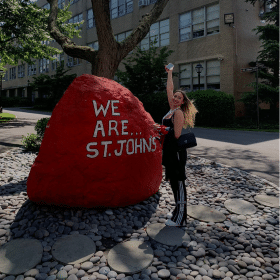
A Leap of Faith: From Romania to St. John’s and Beyond
From Romania to St. John’s, international student Adina Stancu shares how her leap of faith opened the door to a college experience filled with global opportunities, meaningful connections, and a life she once never imagined.



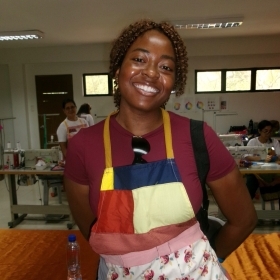
From St. John’s to the Philippines: Finding Faith and Purpose Through Service
A St. John’s University student reflects on a service experience in the Philippines and the faith, purpose, and connections that made the journey meaningful.
