
What to Do After Campus Visits: The Ultimate Checklist
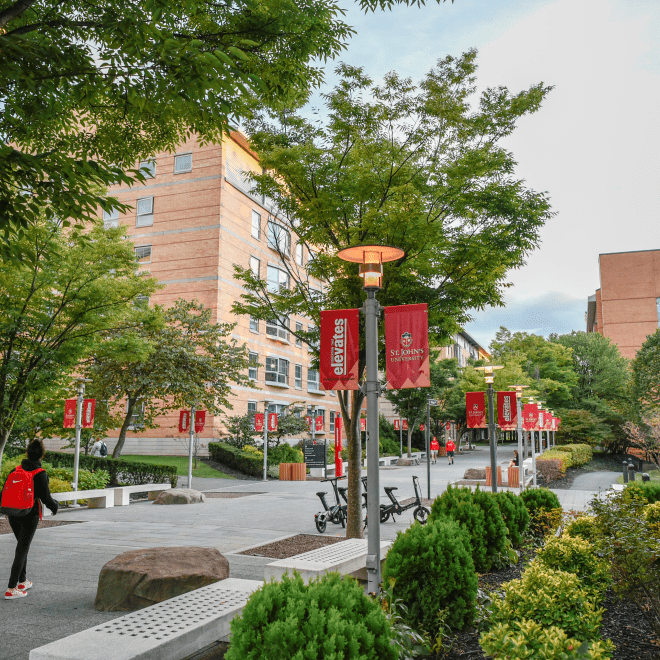
You’ve walked the pathways of a college campus, peeked into the residence halls, and maybe even grabbed a coffee at campus dining. But once the event ends and the brochures are tucked into your bag, what comes next?
The real work begins after the tour ends. This is your chance to reflect on what you saw, ask better questions, and determine which school feels like the right fit.
To guide you, we’ve created a post-tour checklist you can follow after every campus tour or open house. If you’re still planning your visits, be sure to check out our blog on mastering college campus visits for tips on preparing before and during the tour.
1. Organize Your Notes While They’re Fresh.
First impressions fade quickly, so jot everything down while the details remain clear. This will make comparing schools later much easier.
- Write what stood out to you—the “wow” moments that made you envision yourself taking the next step.
- Save any photos or videos you took, and label them so you remember the campus to which they belong.
- Note practical details: how the residence halls looked, the vibe in the dining hall, and the size of classrooms.
Having these notes to compare side by side with other campus tours will be immensely helpful during the decision-making process.
2. Compare Academics and Programs.
A beautiful campus matters, but your academic fit is equally important.
- Did the school have your intended major or options if you change your mind?
- Were there unique programs, concentrations, or honors tracks that caught your attention?
- Did you hear about opportunities such as research, study abroad, or internships?
Circle or star anything that connects directly to your career goals.
3. Revisit Campus Culture.
Every campus has its own personality, and you felt it during your visit.
- Could you see yourself joining the clubs, sports, or student organizations you heard about?
- Did the students you met seem friendly and engaged?
- What was the energy like? Was it quiet and studious, or lively and social?
Trust your gut here; campus culture is often what makes a school feel like “home.” If you’d like to dig deeper into why these impressions matter just as much as academics, check out our blog on why campus culture is essential.
4. Evaluate Support Systems.
College is about growth, but having strong support matters along the way.
- What did you learn about academic advising, tutoring, or career services?
- Were wellness resources such as counseling, health centers, or accessibility services highlighted?
- Did current students mention mentorship opportunities with peers or alumni?
These services can shape not just your success, but also your confidence. At St. John’s University, for example, first-year students can access various health and wellness resources designed to support their academic, physical, and emotional well-being from day one.
5. Crunch the Numbers.
The financial piece is just as important as the academic one.
- Review tuition, housing, and meal plan costs, plus any scholarships or aid mentioned.
- Make note of deadlines for applying for aid or merit awards.
- Compare the “value” of what each school offers, not just the price tag.
Many universities even provide online tools to help you estimate your real costs. For example, St. John’s offers a Net Price Calculator that breaks down what your investment might look like.
6. Follow Up with Questions.
You don’t have to leave all your wondering at the tour. Admission counselors are there to help.
- Email or call with any unanswered questions.
- Check out the school’s website for frequently asked questions, virtual tours, or blogs written by current students.
- Keep a running list of questions to ask before application deadlines.
Engaging shows interest and can give you clarity. Not sure what to ask? Our blog on finding the right college questions can help you get started.
7. Talk It Out.
After a tour, it helps to process your impressions out loud.
- Share your thoughts with family and friends.
- Compare notes if you toured with someone else; you may have noticed different things.
- Listen to your instincts: Did one campus leave you buzzing with excitement?
Your inner “yes, this feels right” is worth paying attention to.
8. Stay Engaged.
The tour doesn’t have to be the last time you interact with a school.
- Follow their social media to see student life in real time.
- Sign up for mailing lists or virtual events to stay in the loop.
- Write down upcoming deadlines for applications, scholarships, or interviews.
Staying connected keeps the school fresh in your mind while you weigh your options.
Quick Checklist: What to Do After a Campus Tour or Open House
- Write down first impressions while they’re fresh.
- Save and label your photos and notes.
- Compare academics, majors, and special programs.
- Reflect on campus culture and student life.
- Review support services (e.g., advising, career, wellness).
- Crunch the numbers on cost and financial aid.
- Follow up with admission counselors or students.
- Talk it out with family, friends, or mentors.
- Stay engaged through social media, events, and deadlines.
Campus tours and open houses are a valuable opportunity to get a glimpse into your future. By using this checklist, you’ll be able to compare schools fairly, keep track of what matters to you, and move one step closer to choosing a college that feels like the right fit.
Remember: college is about finding a place to thrive academically, socially, and personally. Trust yourself, stay organized, and give yourself credit for doing the work to make an informed choice.
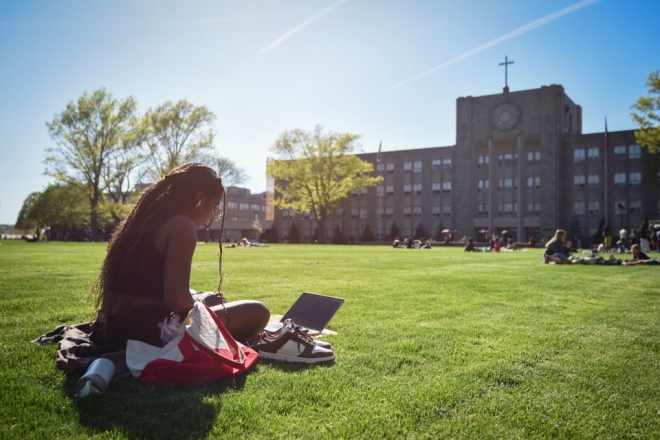
Want to take the next step at St. John’s University?
Discover your potential and join a university community that empowers your future.
Related Blog Posts

What to Look for on a College Website: Nine Things to Check
A college website can tell you a lot more than how much tuition costs or when an application is due.
You can meet the professors you could learn from, discover research happening on campus, find scholarships you may be eligible for, explore internships and other hands-on opportunities, and see how current students are turning their college experiences into opportunities for the future.
As you research your college options, here are nine places on a university website worth clicking into.

A Leap of Faith: From Romania to St. John’s and Beyond
From Romania to St. John’s, international student Adina Stancu shares how her leap of faith opened the door to a college experience filled with global opportunities, meaningful connections, and a life she once never imagined.



College Brag Sheet: What It Is and What to Include (with Examples)
You have asked your teacher, counselor, or another mentor to write you a letter of recommendation. But, before they can start writing, they may ask you for something you have probably never heard of: a brag sheet.
Despite the name, a brag sheet is not about showing off. It is your opportunity to share the experiences, accomplishments, goals, and qualities that make you who you are.