How to Find a Strong Academic Program That Supports Your Goals
What does it really mean when someone says a university has a strong nursing program or a great business school? How do they know? And more importantly, how can you know?
In this post, we walk through the telling signs of a high-quality academic program and how to do your college research successfully, using St. John’s University as a real-world example.
Start with a Self-Assessment
Before going into research mode, take a moment to reflect on what you actually want out of your college experience. Your academic experience can only truly be high quality if it’s also the right fit for your goals and learning style.
Ask yourself the following questions:
- What are my academic and career goals?
- What subjects or topics am I most curious about?
- Do I learn best through lectures, discussions, hands-on projects, or real-world experience?
- Would I thrive in a large program with lots of options or a smaller one with more personal attention?
Write down your answers or keep a note on your phone. As you research schools, use these priorities as a filter to decide if a program truly supports your path—not just in what it offers, but in how it teaches and supports students.
For more guidance on other factors that go into choosing a college, read our other blog post, “Deciding Between Colleges: 7 Key Factors Besides Academics.”
Now, let’s get into the five ways to research college programs effectively.
Five Telling Signs of a Strong Academic Program
1. Accreditation
One of the first ways to confirm program quality is to check for accreditation. This means that the university meets national standards for academic rigor, student outcomes, and institutional support.
Several individual university programs go a step further by earning additional, specialized accreditation.
For example, St. John’s University is accredited by the Middle States Commission on Higher Education (MSCHE). On top of that, programs like the Bachelor of Science in Risk Management and Insurance hold specialized accreditation from the Association to Advance Collegiate Schools of Business (AACSB)—a distinction earned by fewer than six percent of business schools worldwide. That added layer of credibility can make a meaningful difference when applying for competitive jobs or graduate programs in the field.
Where to Start: Accreditation is usually listed at the bottom of a university website or on program-specific pages.
2. Experienced and Engaged Faculty
An academic program is only as strong as the individuals teaching it. Look for professors who bring both academic expertise and real-world experience.
Are they publishing research in their field? Do they have industry experience or advanced degrees? Are they involved in mentorship, advising, or student-led projects? These are all signs that faculty are actively contributing to their field and investing in student success.
At St. John’s, many faculty members blend academic expertise with professional experience.
One standout example is the launch of St. John’s University’s Venture and Innovation Center—an entrepreneurial space designed to support student start-ups and creative business ideas. The center was developed by The Peter J. Tobin School of Business faculty who not only teach entrepreneurship but live it, giving students direct access to mentorship, networking, and hands-on opportunities that reflect today’s business landscape.
Where to Start: Most academic departments have faculty directories with bios. These often include educational backgrounds, research interests, and awards. You can also check if they’ve been featured in university news stories, conference presentations, or podcasts.
3. A Rigorous, Well-Designed Curriculum
Digging into a program’s curriculum can tell you a lot about what your college experience will really look like. The best programs are built to help you grow, think more critically, and get ready for life after graduation.
As you explore different majors, take a few minutes to scan the course list. Are there classes that actually excite you? Does the program include hands-on experiences like internships, research, or service learning? Does it provide access to immersive technology and industry-level tools? A well-rounded curriculum usually blends theory with practical learning, giving you the chance to build skills that go beyond the classroom.
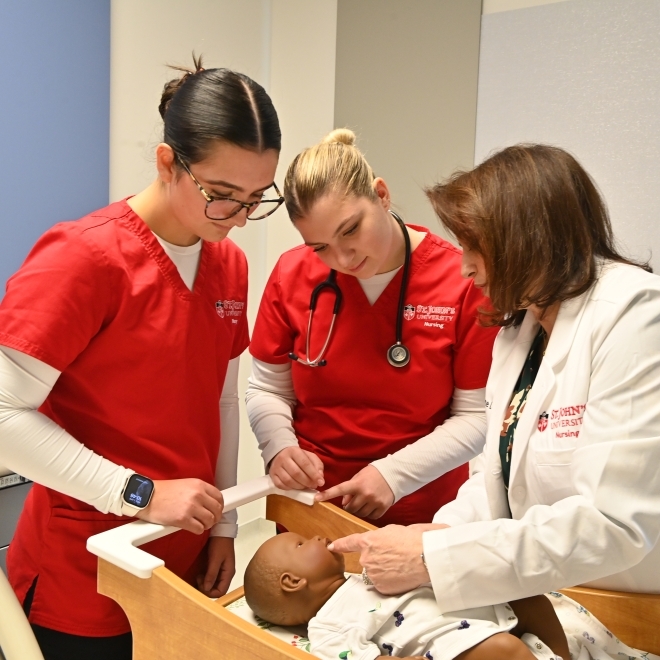
At St. John’s University, for example, the Bachelor of Science in Nursing (BSN) program weaves clinical placements directly into the curriculum at leading hospitals and health-care facilities across New York City. Under the guidance of practicing nurses, students apply what they learn in class and gain experience working with a diverse patient population.
On campus, students also train in modern simulation labs equipped with high-fidelity mannequins, clinical equipment, and digital charting tools, allowing them to practice patient care scenarios in a safe, technology-enhanced environment before stepping into real hospitals.
4. Strong Student Outcomes and Career Success
Outcomes are one of the clearest indicators of program strength. High graduation rates, job placements, and grad school acceptance tell you whether students are well prepared and supported every step of the way.
For example, at St. John’s, 2024 undergraduate statistics showed that more than 94 percent of graduates are employed or enrolled in graduate school within six months of graduation. That kind of data points to strong academic advising, career services, and an engaged alumni network.
Where to Start: You can usually find outcome data (e.g., graduation rates, job placement stats, or grad school acceptance rates) on a university’s institutional research page or within specific academic program sections.
But to really understand what those numbers mean, go beyond the stats. Try looking up recent graduates on LinkedIn from the program in which you’re interested. See where they’ve landed, how quickly they got there, and what kinds of roles they are in now. Even better, reach out. Starting a conversation can give you insights you won’t find on a website. You never know where that one message might lead.
5. Consistent Student and Alumni Satisfaction
Reviews and testimonials can offer honest insight into what life is really like on campus. Look for consistent themes in what students say about academics, support systems, and their overall experience.
If multiple students mention the same strengths (or challenges), it’s likely something worth paying attention to. Be cautious of overly negative or overly glowing reviews that don’t offer specific examples.
Where to Start: Read through Google reviews, YouTube vlogs, Reddit, and sites like Niche.com or Unigo.com.
Bonus: Schedule Campus Visit or Virtual Event
Even if you can’t physically visit every campus, take advantage of virtual tours, open houses, or department-specific webinars. These experiences let you hear directly from faculty, current students, and admission staff, as well as ask questions that matter to you.
How to get started: Most university websites have a “Visit Us” page with both in-person and virtual options. You can also follow schools on social media to stay informed about upcoming events.
Related Blog: “Finding the Right College Starts with Asking the Right Questions”
Summary: What to Look for in a High-Quality College Program
Choosing the right college program is about finding a place where you can grow, learn, and feel supported. As you research different schools, keep these signs of a high-quality program in mind:
- Accreditation matters. Look for both university-wide and program-specific accreditation to ensure the program meets national standards and is recognized by employers or grad schools.
- Faculty make a big difference. Strong programs are led by professors who bring both academic knowledge and real-world experience.
- The curriculum should do more than check boxes. Look for courses that challenge you, spark your interest, and offer hands-on learning opportunities that prepare you for life after college.
- Outcomes speak volumes. High graduation rates and strong job or grad school placement show that the program supports students from day one through graduation and beyond.
- Student and alumni voices count. Consistent, thoughtful feedback from real students can reveal what the experience is truly like.
Ready to Take the Next Step?
If you seek a university with high-quality academic programs, hands-on learning opportunities, and faculty who are invested in your success, St. John’s University is a great place to start.
Explore our programs, connect with faculty, or attend a virtual info session to see how St. John’s can help you reach your goals.
Related Blog Posts

What to Look for on a College Website: Nine Things to Check
A college website can tell you a lot more than how much tuition costs or when an application is due.
You can meet the professors you could learn from, discover research happening on campus, find scholarships you may be eligible for, explore internships and other hands-on opportunities, and see how current students are turning their college experiences into opportunities for the future.
As you research your college options, here are nine places on a university website worth clicking into.

A Leap of Faith: From Romania to St. John’s and Beyond
From Romania to St. John’s, international student Adina Stancu shares how her leap of faith opened the door to a college experience filled with global opportunities, meaningful connections, and a life she once never imagined.



College Brag Sheet: What It Is and What to Include (with Examples)
You have asked your teacher, counselor, or another mentor to write you a letter of recommendation. But, before they can start writing, they may ask you for something you have probably never heard of: a brag sheet.
Despite the name, a brag sheet is not about showing off. It is your opportunity to share the experiences, accomplishments, goals, and qualities that make you who you are.