

Economics is about more than markets and money. It's about understanding how people, businesses, and governments make decisions in a world of limited resources. At Tobin, you'll develop the analytical, quantitative, and critical thinking skills to evaluate complex challenges, interpret economic trends, and make data driven decisions that shape business and society.
- Degree Type
- BS
- Area of Interest
- Business
- Associated Colleges or Schools
- Program Location
- Queens Campus
- Required Credit Hours
- 120
Why Study Economics at Tobin?
Economic Thinking for Today’s World
Explore the forces shaping the global economy, from inflation and international trade to public policy and consumer behavior. Expand your perspective through the Henry George Lecture Series, where distinguished economists, thought leaders, and Nobel Prize winners examine today’s most pressing economic and social issues.
Research & Quantitative Skills
Build analytical skills through coursework in econometrics, economic theory, research methods, and data analysis. Learn to interpret data, identify trends, evaluate complex issues, and make evidence based decisions.
Build a Versatile Career
Develop the analytical, quantitative, and problem solving skills to pursue careers across business, finance, consulting, government, public policy, law, or continue your education through graduate study.
What You'll Study
The Economics curriculum combines economic theory with quantitative analysis, preparing you to understand how businesses, governments, and individuals make decisions.
You'll study topics such as:
- Macroeconomics
- Microeconomics
- Econometrics
- Economic Theory
- Public Finance
- Behavioral Economics
- International Economics
- Sustainable Development
- Environmental Economics
- Business Economics
Through elective coursework, you'll have the flexibility to explore specialized areas that align with your interests and career goals.
- BUA 1333: Modern Statistics I (Liberal Arts)
- ECO 1301: Microeconomics
- ECO 1302: Macroeconomics
- ECO 1320: Social Justice
- ENG 1100: English
- FYS 1000: First Year Seminar
- FYW 1000: First Year Writing
- HIS 1000: History
- Language (6 credits)
- Liberal Art Electives (9-15 credits)
- PHI 1000: Philosophy of the Human Person
- PHI 2220 (Ethics and Business) or THE 3305 (Theological Ethics of the Marketplace)
- PHI 3000: Metaphysics
- SCI 1000: Scientific Inquiry
- SPE 1000: Speech
- THE 1000: Theology
- THE: Sacred Texts
- ACC 2338: Principles of Financial Accounting
- BUA 2334: Modern Statistics II
- Business Elective (6 credits)
- FIN 2310: Foundations in Finance
- General Elective (6 credits)
- LAW 1310: Law in a Business Environment
- MGT 1301: Administrative and Organizational Behavior
- MGT 3325: Managing Operations
- MGT 4329: Strategy and Policy
- MKT 2301: Principles of Marketing
- RMI 1301: Principles of Risk Management
- ECO 3345: Introduction to Econometrics
- Note: Business core may vary if pursuing a Fast Track program.
- ECO 3303: History of Economic Thought
- ECO 3341: Macroeconomic Theory
- ECO 3343: Microeconomic theory
- ECO 3306: Comparative Economic Systems
- ECO 3307: Labor Economics
- ECO 3313: Public Finance
- ECO 3323: Economics of State and Local Governments
- ECO 3328: Behavioral Economics
- ECO 3335: Mathematical Economics
- ECO 3344: International Economics
- ECO 3345: Introduction to Econometrics
- ECO 33346: Economic Growth and Development
- ECO 3348: Environmental Economics
- ECO 3349: Business Economics
- ECO 3360: Marxian Economics
- ECO 3361: Economics of Global Inequality
- ECO 4340: Managerial Economics
Looking for official degree requirements? View the Undergraduate Bulletin for complete academic policies, prerequisites, and the most current program requirements.
Experience Economics in Action
Economics comes to life when it's applied to real world challenges. At Tobin, you'll go beyond the classroom through research, internships, competitions, and professional experiences that strengthen your analytical skills and prepare you for successful careers.
Experiential learning opportunities include:
- Internships throughout New York City
- Faculty mentored research projects
- Presenting research at regional and national economics conferences
- Federal Reserve Challenge competitions
- Global Destination Courses
Student Organizations & Competitions
Connect with classmates who share your interests, expand your professional network, and build leadership skills by participating in:
- Omicron Delta Epsilon, the International Economics Honor Society
- Sadie Collective programs and initiatives
- Federal Reserve Challenge competitions
These experiences allow you to apply economic theory to real world issues, collaborate with faculty and peers, and graduate with the confidence and experience employers value.
Where Can an Economics Degree Take You?
Economics graduates are valued for their ability to think critically, analyze data, and solve complex problems. These transferable skills open doors across a wide range of industries.
Career paths include:
- Economist
- Financial Analyst
- Consultant
- Government Analyst
- Market Research Analyst
- Policy Analyst
- Cost Estimator
- Statisician
- Attorney (with additional education)
Accelerate Your Education
Take the next step in your education while saving both time and tuition. Economics majors can take advantage of Tobin's Fast-Track programs, which allow qualified students to begin working toward a master's degree while completing their bachelor's degree.
By planning early with a faculty advisor, you can create a seamless path to graduate study and graduate with advanced credentials that prepare you for leadership opportunities and specialized careers.
Qualified students can earn:
- B.S. Economics/M.S. Accounting
- B.S. Economics/M.S. Actuarial Science
- B.S. Economics/M.S. Business Analytics
- B.S. Economics/M.S. Enterprise Risk Management
- B.S. Economics/M.S. Entrepreneurship and Innovation
- B.S. Economics/M.S. Finance
- B.S. Economics/M.S. Global Management
- B.S. Economics/M.S. Marketing Intelligence
- B.S. Economics/M.S. Risk and Financial Advisory
- B.S. Economics/M.S. Risk Management & Risk Analytics
- B.S. Economics/M.S. Taxation
- B.S. Economics/Master of Business Administration
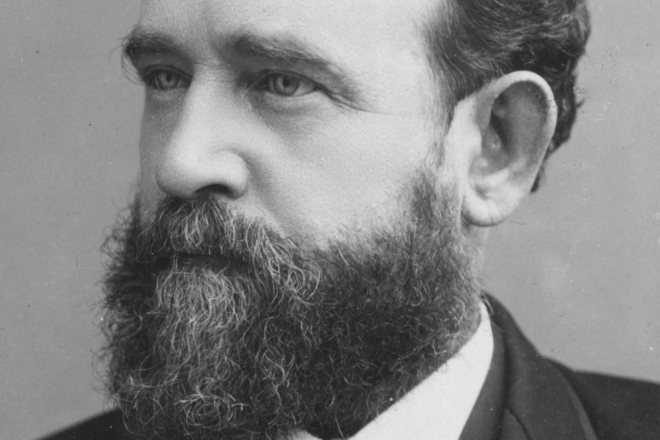
Henry George Lecture Series
Each semester the Henry George lecture series brings leading economists, including many Noble Prize winners, to campus to speak to our students on the most pressing economic and social questions.
Department Contact
We’re here to answer any questions you may have about the Economics Program.
Featured Faculty

Department
Economics and FinanceEconomics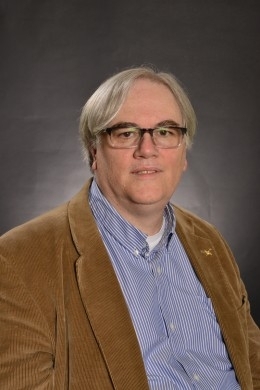



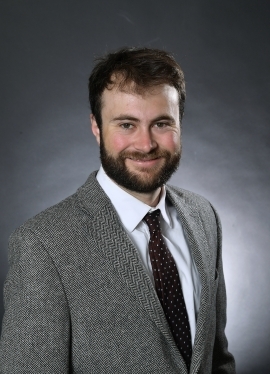

Student Success
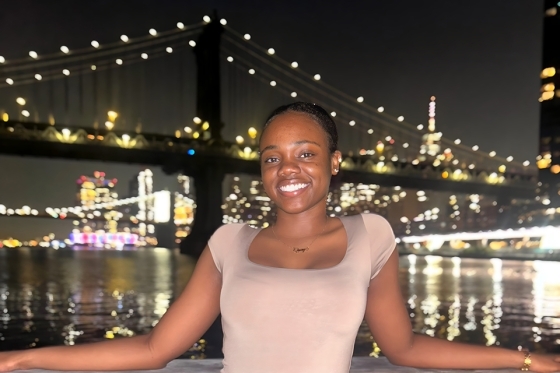
Future Economist Fuels Successful College Career by Taking the Initiative
Laquay Wollaston, Class of 2026 The Peter J. Tobin College of BusinessHighlight
Laquay Wollaston was a shy teenager who was nervous about interacting with unfamiliar people when she first stepped onto the Queens, NY, campus of St. John’s University three years ago. However, she quickly found her path to flourishing as an undergraduate student.
Connect With Us
Interested in Business, but not sure if Economics, Bachelor of Science is right for you?
Take the Next Step

Explore Affordability
The Office of Student Financial Services is committed to providing students and their families with the information they need to navigate and understand the financial aid and payment process.
Apply to St. John's
St. John’s offers a free online application for all 100+ undergraduate programs, and graduate applications carry a low cost for most programs.