Four Things I Learned from Saying Yes to Study Abroad
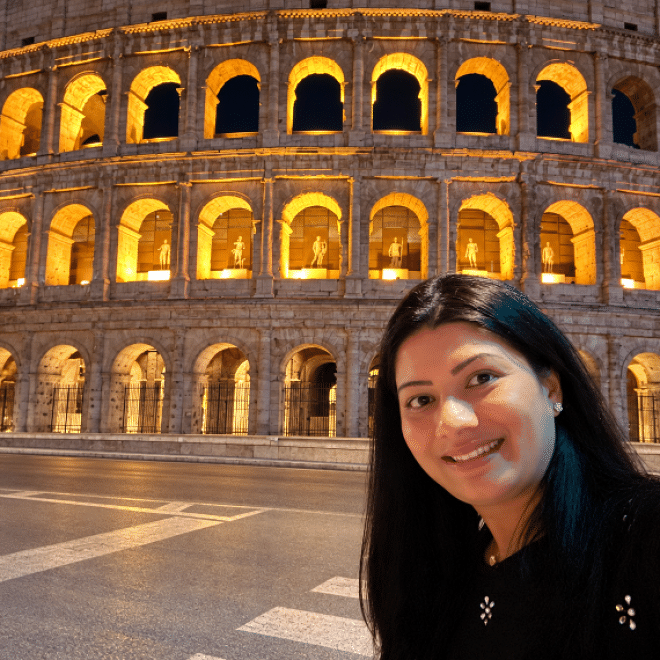
Rome Was My Classroom is a six-part blog series about my two-week study abroad experience in Rome, Italy, as a doctoral student at St. John’s University and the lessons I brought home.
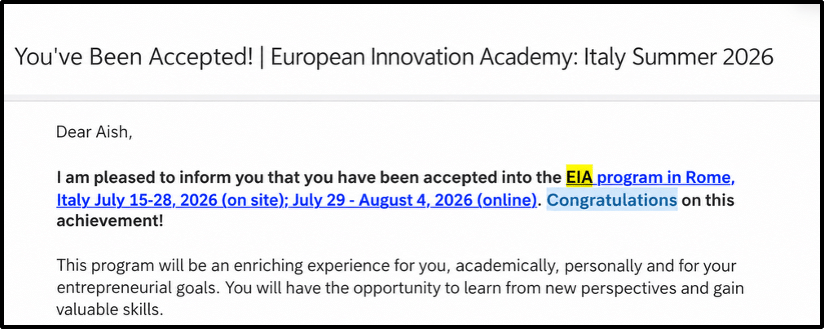
A few months before I ever set foot in Rome, Italy, I was staring at an email, trying to convince myself why I couldn’t take part in a study abroad program. The email invited St. John’s students to apply for a three-week program, two weeks in Rome and one week online.
The opportunity sounded incredible. I could learn entrepreneurship at the European Innovation Academy on a scholarship, meet experienced mentors, and connect with students from around the world. Instead of imagining myself there, I started thinking about everything that could get in the way. Was this the right time to say yes to something so big?
Looking back, I’m glad I didn’t let that be the end of the story. Choosing to study abroad shifted my perspective toward innovation and creativity and taught me life lessons. Some came from the classroom; others came from conversations, challenges, and moments for which I never could have planned.
But before Rome became a classroom, it was simply an email sitting in my inbox and a decision I wasn’t sure I was brave enough to make.
Here are the four things I learned from saying yes to a study abroad program:
1. You Don’t Have to Feel Ready to Apply.
When the scholarship email landed in my inbox, it immediately caught my attention. Spending two weeks studying entrepreneurship and innovation at the European Innovation Academy sounded like exactly the kind of opportunity I would encourage someone else to pursue.
When it came to myself, though, the excitement was quickly followed by questions. My plate was already full balancing a full-time job, raising an eight-year-old, and working toward my Doctorate of Philosophy in Multi-Sector Communication. Applying didn’t seem like the practical choice. It felt like one more thing to add to an already crowded season of life.
Eventually, I stepped back and asked myself a simpler question: “What if I just applied?”I didn’t need every answer right away. I didn’t need a perfect plan. I only needed to decide whether this opportunity was worth exploring.
2. You Don’t Have to Have Everything Figured Out.
When an opportunity comes along, it’s easy to lump everything together and feel overwhelmed. As students and lifelong learners, we often feel pressured to have a complete plan.
At that point, I didn’t know whether I would receive the scholarship from The Lesley H. and William L. Collins College of Professional Studies (CCPS). What I did know was that if I didn’t apply, I was making the decision before I even knew whether the opportunity was mine to consider.
Instead, I asked myself two questions:
- Is this something I genuinely want to pursue?
- What is the next step required today?
Once you’ve answered those questions, focus only on that next step. The details often become much easier to manage once the opportunity becomes real.
Some of the best learning experiences begin with a little uncertainty and a willingness to figure things out along the way.
3. Ask About Study Abroad Scholarships and Funding Opportunities.
The cost of studying abroad can sometimes make an opportunity feel out of reach before you fully explore it. In my case, I received a scholarship through CCPS, which helped make my European Innovation Academy experience in Rome possible.
Every program and student’s situation is different, so ask about scholarships, grants, and other funding opportunities early. Talk to your academic department or study abroad office, research application deadlines, and explore both university and external funding. Don’t assume studying abroad isn’t financially possible until you know what resources may be available.
4. Saying Yes is Just the Beginning.
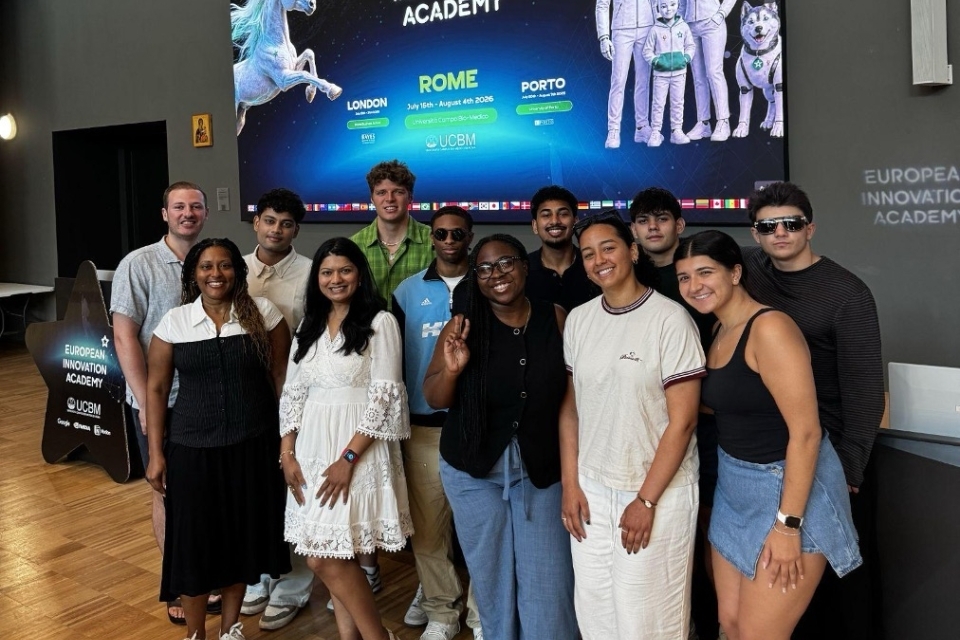
When people ask about my study abroad experience, it’s easy for me to think about the three weeks I spent in Rome.
There were onboarding emails from the European Innovation Academy, virtual information sessions, and details to learn about the program. Each update made the opportunity feel a little less like an idea and a little more like something that was happening.
I began connecting with fellow St. John’s students who would also be attending. Some were undergraduate students; others were graduate students pursuing different fields of study. Until then, I had mostly viewed the experience as an international opportunity. I hadn’t considered that it would also introduce me to people from my own university whom I otherwise might never have met.
There were forms to complete, travel arrangements to make, and, eventually, a suitcase to pack. What had started as a scholarship application was slowly turning into a departure date on my calendar.
The experience had already begun shaping me before I ever stepped into a classroom. It was teaching me how to prepare for the unknown, connect with new people, and embrace an opportunity that was steadily becoming a reality.
Soon, the planning would be over. The bags would be packed. And Rome would no longer be something for which I was preparing—it would be where the next chapter of the story began.
Thinking About Studying Abroad?
Keep an eye out in early Spring 2027 for St. John’s University’s application to attend the European Innovation Academy in Rome and apply for funding.
Next in the blog series: Seven Things I Wish I Knew Before Studying Abroad
Related Blog Posts
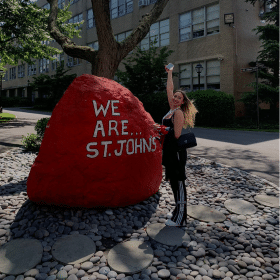
A Leap of Faith: From Romania to St. John’s and Beyond
From Romania to St. John’s, international student Adina Stancu shares how her leap of faith opened the door to a college experience filled with global opportunities, meaningful connections, and a life she once never imagined.



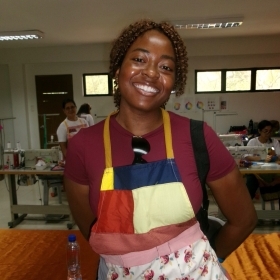
From St. John’s to the Philippines: Finding Faith and Purpose Through Service
A St. John’s University student reflects on a service experience in the Philippines and the faith, purpose, and connections that made the journey meaningful.

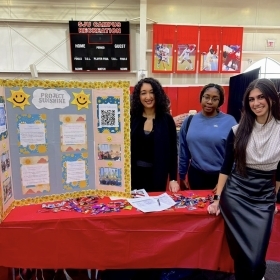
Finding Community and Leadership at St. John’s University
For one St. John’s University commuter, getting involved on campus opened the door to friendships, service opportunities, leadership experiences, and a stronger sense of belonging.
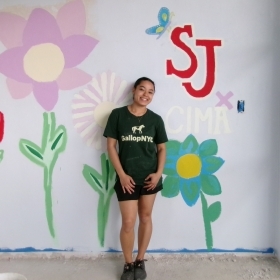
A Service Journey That Continues to Shape Me
See how service at St. John’s University gave one student the opportunity to travel to Mexico, serve local communities, and grow as a leader.
