The Johnnies Blog
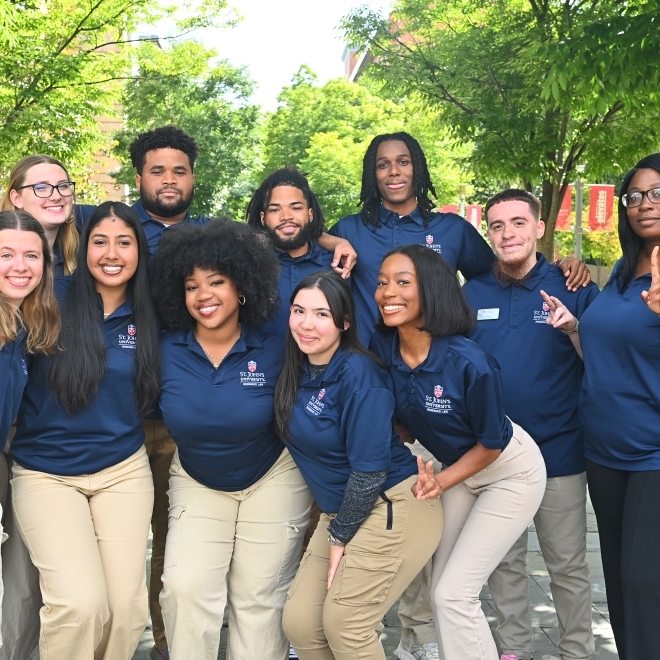
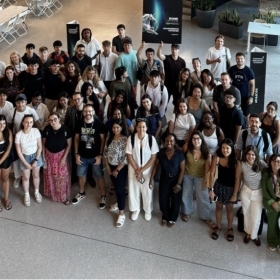
Seven Things I Wish I Knew Before Studying Abroad
Rome Was My Classroom is a six-part series about my study abroad experience and the lessons I brought home from my two-week stay in Rome, Italy.
Before leaving for Rome, I had plenty of questions. What would a typical day look like? Would I make friends? How intense is this program? Would I have time to actually experience Rome, or would I spend two weeks inside a classroom?
Here are seven things I wish I had known before arrival.
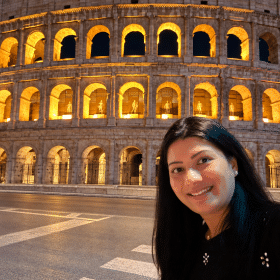
Four Things I Learned from Saying Yes to Study Abroad
Rome Was My Classroom is a six-part blog series about my two-week study abroad experience in Rome, Italy, as a doctoral student at St. John’s University and the lessons I brought home.
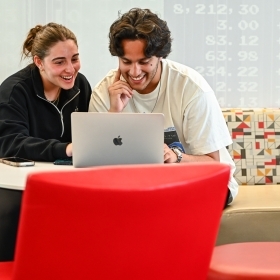
What to Look for on a College Website: Nine Things to Check
A college website can tell you a lot more than how much tuition costs or when an application is due.
You can meet the professors you could learn from, discover research happening on campus, find scholarships you may be eligible for, explore internships and other hands-on opportunities, and see how current students are turning their college experiences into opportunities for the future.
As you research your college options, here are nine places on a university website worth clicking into.

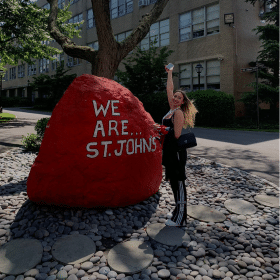
A Leap of Faith: From Romania to St. John’s and Beyond
From Romania to St. John’s, international student Adina Stancu shares how her leap of faith opened the door to a college experience filled with global opportunities, meaningful connections, and a life she once never imagined.



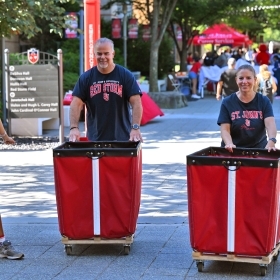

College Brag Sheet: What It Is and What to Include (with Examples)
You have asked your teacher, counselor, or another mentor to write you a letter of recommendation. But, before they can start writing, they may ask you for something you have probably never heard of: a brag sheet.
Despite the name, a brag sheet is not about showing off. It is your opportunity to share the experiences, accomplishments, goals, and qualities that make you who you are.
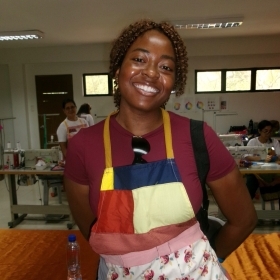
From St. John’s to the Philippines: Finding Faith and Purpose Through Service
A St. John’s University student reflects on a service experience in the Philippines and the faith, purpose, and connections that made the journey meaningful.
