The Johnnies Blog

Do I Belong Here? Imposter Syndrome in College and Beyond
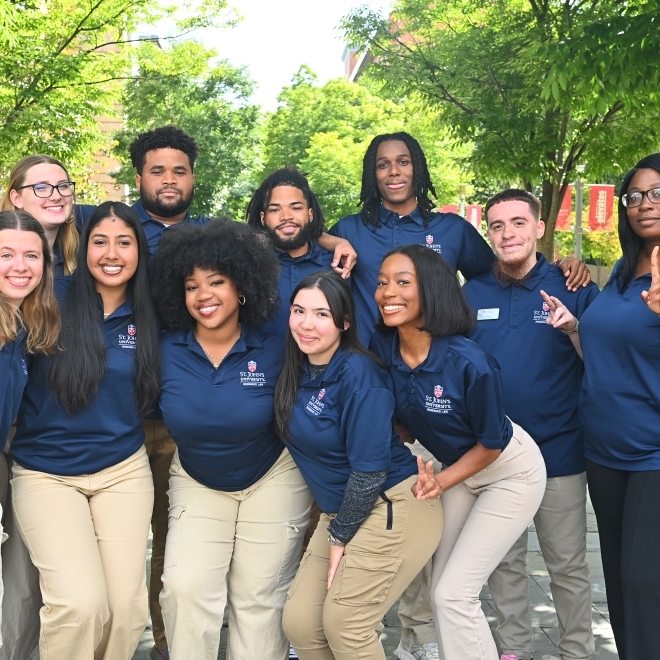
College is often described as a time of growth and discovery, but for many, it is also a time of quiet self-doubt. You may be doing well academically, staying involved, and meeting expectations, yet still wonder whether you truly belong.
That experience has a name: imposter syndrome. And while it can feel deeply personal, it is one of the most common challenges students face.

Career Readiness in 2026: What Does It Actually Mean for Students?
Students are often told they need to be “career ready” by the time they graduate. But what does that actually mean? Is it having a job offer lined up senior year? Knowing your exact career path before you toss your cap? Or graduating with a perfectly polished résumé?
The reality is that career readiness looks different for everyone. This guide breaks down what career readiness really means, why it matters in college, and how you can start building toward it throughout your journey.


After You Submit Your College Application: What Comes Next
After hours of research, planning, and gathering materials, you’ve finally submitted your application. Now that you can close that door, you might wonder what comes next.
The time after applying to college can feel oddly quiet, and it is easy to take it for granted. However, this is actually a vital period to complete important tasks that support your college admission journey.
What do College Rankings Mean for Your Search?
College rankings are everywhere, from search results and brochures to social media and everyday conversations. With so many lists out there, it can feel like numbers alone are shaping your future, especially when a school ranks higher on one list and lower on another.

College Application Checklist: Requirements, Tips, and Timeline
Essays, recommendation letters, deadlines, score reports; applying to college is a lot. But with a clear plan, you’ll stay on top of everything and avoid last-minute stress.
This simple college application checklist guides you on what you need, when to do it, and how to succeed.

What it Means to be a Nontraditional Student and How to Succeed
College isn’t a one-size-fits-all journey. And today, more students than ever are taking paths that don’t fit the old, traditional mold. You might be returning after time away, balancing a full-time job or family responsibilities, transferring from another school, or finally deciding it’s your moment to pursue the degree you’ve always wanted.
In this blog, we explore what it actually means to be a nontraditional student, the strengths you already bring to the classroom, and the flexible options that can help you earn a degree on a timeline that works for your life.

How AI Impacts Students Entering the Job Market
Heard enough about artificial intelligence (AI) lately? You’re not alone. Between nonstop headlines and every company jumping on the AI bandwagon, it’s easy to feel overwhelmed on the topic. But here’s the thing: AI isn’t going anywhere.
So instead of tuning it out, the smartest move is to tune in; the more you understand how this technology works, the better prepared you’ll be for whatever’s next.
4 Flexible Ways to Earn a College Degree on Your Schedule
The traditional college model wasn’t designed for the way most students live today. Work schedules, family responsibilities, financial realities, and shifting timelines all influence how—and when—you pursue your degree. For many, the biggest challenge isn’t choosing a major; it’s finding a pathway that actually aligns with the life you’re already managing. That’s why colleges and universities like St. John’s University are reshaping what flexible learning can look like.
In this guide, we break down four realistic pathways that give you more control over how you learn so you can find an option that truly fits.

Why You Should Consider a Career in Internal Audit
Choosing the right career path can be a daunting decision. You want a career that offers stability, growth, and a chance to make a meaningful impact. One career path that provides all of this and more is internal audit.
In this article, you get a clear look at what internal auditors do, why this career is growing so quickly, and furthermore, how earning a master’s degree at St. John’s University can help you build long-term success in this in-demand profession.

Core Curriculum, Prereqs, Electives: College Class Terms Explained
Confused by core curriculum or prereqs? Get a clear guide to college course types and learn how St. John’s University supports your academic success.