
From High School to College Life: What Really Changes (and How to Thrive)

Do you wonder what really changes when you leave high school behind and start college life? The quick answer: a lot—but that’s not a bad thing. From managing your own schedule to handling bigger classes and more independence, the transition can feel like a major shift. It’s also an excellent opportunity to grow, try new interests, and carve out your own path.
Structure, Schedule, and Class Size
High School
Your daily routine in high school tends to be quite predictable. Classes follow one another from morning until afternoon, teachers take attendance, and bells let you know when it’s time to move on to the next. With smaller class sizes, teachers usually know your name, notice if you’re absent, and remind you about assignments, creating a familiar rhythm that feels personal and supportive.
College
College brings a refreshing change of pace and more flexibility. You might only have a few classes each week, and some meet just once or twice. Professors may not take attendance, giving you the freedom—and responsibility—to manage your time. You’ll shift from daily homework to bigger projects and exams that reward consistency and preparation. Class sizes vary, from small, discussion-based seminars to large lecture halls filled with energy.
It might feel different initially, but it’s also an excellent opportunity to take the initiative: sit up front, ask questions, and connect with your professors to make those big spaces feel smaller and more engaging.
Academic Expectations
High School
Academics emphasize structure and support. Teachers walk you through lessons, give frequent reminders about deadlines, and help you build strong study habits.
College
College, on the other hand, focuses on providing an environment built on independence and intellectual growth. Professors hand you a syllabus at the start of the semester, trusting you to plan ahead and keep up with readings. Instead of repeating material in class, you’ll discuss, debate, and analyze it, developing transferable skills that prepare you for the real world.
While this shift in autonomy might feel challenging initially, it allows you the opportunity to start taking charge of your learning and shape your academic journey. And don’t hesitate to ask questions and seek help; professors are available to assist, but you need to ask for it.
Social Life and Independence
High School
Your social circle tends to stay consistent: you see the same classmates daily, attend familiar events, and follow routines shaped by parents or teachers.
College
College opens the door to an exciting new world of social experiences. From student clubs and cultural organizations to service projects and campus events, there are countless opportunities to meet others who share your interests or introduce you to something new. Finding your community might take a little time, but that’s part of the fun.
You’ll have the freedom to decide how to spend your time, when to study, and how to care for yourself. This is your time to explore, grow, and build meaningful friendships that will shape your college experience—and often last well beyond it.
Related Blog: How to Make Friends in College: 5 Practical Tips
Support Systems
High School
In high school, support systems tend to be built into your day. Guidance counselors check in with students, teachers notice if you’re falling behind, and parents are often involved in helping you stay on track. Progress reports and parent-teacher conferences act as safety nets to make sure nothing slips through the cracks.
College
In college, support systems still exist, but they’re self-initiated. You’ll have access to tutoring centers, counseling services, career support, and peer mentoring programs. The key difference is that you’re responsible for seeking them out. No one will automatically step in if you miss an assignment or start to struggle.
Being proactive is essential: email your professor, sign up for tutoring, or book a counseling session early. These resources are there to help you thrive, but using them starts with you.
Quick Comparison
High School | College | What This Means for You |
|---|---|---|
| Fixed daily schedule | Flexible schedule with gaps | You’ll need to manage unstructured time and stay organized. |
| Frequent reminders from teachers | Professors expect self-management | Track deadlines with a planner or calendar. |
| Smaller class sizes | Class sizes vary | Take initiative to participate and connect with professors. |
| Familiar social circles | Diverse, new community | Step outside your comfort zone to meet people. |
| Built-in safety nets | Resources available, but self-initiated | Learn how to find and use support services early. |
| Parents/counselors step in | Independence and autonomy | Practice self-advocacy and problem solving. |
How to Prepare Now: Building Habits in High School
You don’t have to wait until the first week of college to start preparing. Small shifts in your habits now can make the transition much smoother.
Here are a few areas on which to focus.
1. Practice Time Management
Try using a planner or calendar to track assignments and deadlines. In college, no one will remind you, so starting now gives you a huge head start.
2. Build Study Routines
Instead of late-night cramming, experiment with consistent review sessions. Even 20–30 minutes a day can make a difference.
3. Prioritize Self-Care
Sleep, meals, and downtime matter. Developing balance now will help you avoid burnout later.
Want more step-by-step strategies? Check out the blogs Adjusting to College: Quick Tips for a Great First Year for organization hacks and Avoid Burnout in Your First Year of College for staying energized once the semester starts.
Frequently Asked Questions
What is the biggest difference between high school and college life?
The biggest difference is independence. In college, you manage your own time, meet deadlines without reminders, and balance academics with social life. Unlike high school, the structure is flexible, and how you use that freedom shapes your experience.
Is college harder than high school?
College challenges you in different ways. The workload often involves larger projects, research, and critical thinking rather than memorization. While it may feel more demanding, you also have access to campus resources and support systems to help you succeed.
What support does St. John’s University offer for first-year students?
St. John’s provides mentoring programs, tutoring services, career counseling, and wellness resources to ensure you have the tools to thrive. The University is committed to helping every student feel supported from the first semester onward.
How can I balance academic and social life in college?
The key is planning. Schedule study time just as you would a class or activity, and make time for friends, clubs, and self-care. Staying organized will help you enjoy both sides of college life without feeling overwhelmed.
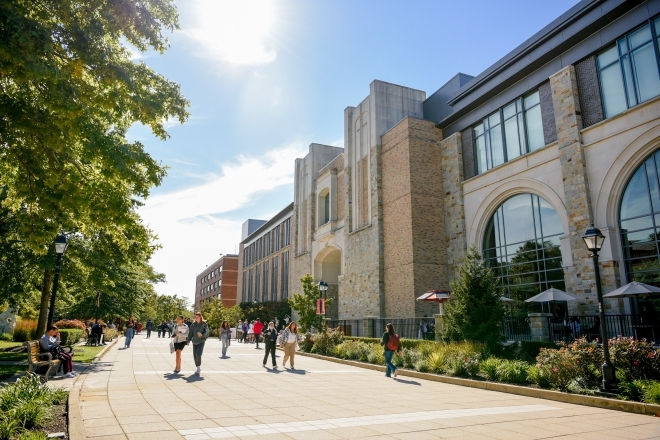
Make the Leap with Confidence at St. John’s.
At St. John’s University, you won’t face the transition alone. From first-year mentoring programs to academic resources, student organizations, and a vibrant campus community, St. John’s is built to help you adjust, find your place, and thrive, both inside and outside the classroom.
Related Blog Posts


Seven Things I Wish I Knew Before Studying Abroad
Rome Was My Classroom is a six-part series about my study abroad experience and the lessons I brought home from my two-week stay in Rome, Italy.
Before leaving for Rome, I had plenty of questions. What would a typical day look like? Would I make friends? How intense is this program? Would I have time to actually experience Rome, or would I spend two weeks inside a classroom?
Here are seven things I wish I had known before arrival.

Four Things I Learned from Saying Yes to Study Abroad
Rome Was My Classroom is a six-part blog series about my two-week study abroad experience in Rome, Italy, as a doctoral student at St. John’s University and the lessons I brought home.

What to Look for on a College Website: Nine Things to Check
A college website can tell you a lot more than how much tuition costs or when an application is due.
You can meet the professors you could learn from, discover research happening on campus, find scholarships you may be eligible for, explore internships and other hands-on opportunities, and see how current students are turning their college experiences into opportunities for the future.
As you research your college options, here are nine places on a university website worth clicking into.