
Mattone Family Institute for Real Estate Law
What We Do
Home to the Law School's real estate program, the Mattone Family Institute for Real Estate Law prepares St. John's Law students for practice through robust academic offerings, unique career development opportunities, and impactful events. In all its activities and initiatives, the Mattone Institute builds on St. John’s century-long tradition of producing outstanding real estate lawyers.
About the Mattone Institute
The Mattone Family Institute for Real Estate Law operates out of an office suite on the Law School's third floor, strategically located across from the Offices of Alumni Relations, Career Development, and Admissions. Our suite includes a conference facility and work spaces for our Real Estate Fellows.
The Mattone Institute is named for the late Joseph M. Mattone, Sr. '53C, '55L, '94 HON, former Chairman and Chief Executive Officer of the Mattone Group, whose generous endowment supports the Institute and our programs.
Real Estate Alumni Spotlight

Which law school courses, clinics, or experiences sparked your interest in real estate law?
Before law school, I was a banker who primarily originated consumer mortgage loans and managed business banking relationships. One day, a client came into my office and told me that I should be a lawyer. [This is the short version of the story.] At the time, my knowledge of the law was limited to what I had seen in crime dramas on television, so I quickly told him that I had no interest in going to court. He then said, “You do know you can practice law without going to court!” That sparked my career change. Then, at St. John’s Law, my favorite class was Coops and Condos. Taught by the late Professor Vincent DiLorenzo, it was one of the most practical real estate classes available at the time. Professor DiLorenzo was amazing, and his subject matter knowledge gave me practical insight I was able to (almost instantly) apply as a lawyer when I became involved in originating commercial real estate loans on coops and condos.
What part of your job gets you out of bed each day?
I'm motivated by both the new associates and more senior partners and counsel. One longtime counsel, who is also a St. John’s alumna, is in the office every day and is never too busy to squeeze someone in. Seeing how she approaches the work motivates me because I think, “If she can do it, why can’t I?” I’m also inspired by the newer associates, who are eager to learn and recognize that interacting with senior partners and associates is key to reaching the next level.
What advice would you give to current law students as they start their careers?
I’d share, you have to enjoy the work, and you have to enjoy the people you work with. In many instances, you’ll spend more time working than doing anything else. So, the best advice I can give is to find a practice area you enjoy and work with people you won’t mind spending a lot of time with.
What has surprised you about your career so far?
One of the things that continues to surprise me is just how small the commercial real estate industry is. You routinely work alongside the same players, possibly on different sides of the table. New attorneys should take note of that as they begin their careers.
Do you have any predictions for the real estate industry over the next year?
The Fed just raised interest rates. The last time that happened, many of my clients who were considering refinancing decided to hold their positions for as long as possible, hoping that things would turn around. I suspect we’ll see a resurgence of that holding pattern. One thing I’ve learned is that real estate is resilient. When people turned to online shopping, we wondered what would happen to the big box centers and now industrial sites are the new wave. When everyone started working from home, we wondered what would happen to the office buildings and now they’re converting many to apartments.
Our Program
Current course offerings include the following:
ADVANCED TOPICS IN REAL ESTATE LAW
(PROPERTY 2050)
2 credits
In this seminar, students will explore cutting-edge issues in real estate law and deepen their understanding of concepts related to the financing, development, ownership and operation of real estate not covered in depth in any other course. Topics covered will change from year to year to reflect the most recent developments and trends in real estate, and the instructor’s particular areas of expertise. Case studies of actual and simulated transactions will be used to increase students' understanding of the issues explored. The course will be taught as a mixture of lecture, directed discussion and seminar, and is anticipated to include distinguished guest lecturers with expertise in the particular topics covered. Pre-requisites: Real Estate Transactions and four additional credits of advanced PROP coursework. Enrollment requires permission of the Program Director.
AFFORDABLE HOUSING LAW AND PRACTICE
(PROPERTY- 2070)
2 credits
This course will explore the dynamics of the United States housing market from the perspective of homeowners and renters, developer, investors, local and federal officials, and members of the so-called "NIMBY" and "YIMBY" movements. We will consider the various federal and New York State programs that have been used to facilitate affordable housing over the past century, including the Low Income Housing Tax Credit (LIHTC), municipal bonds, and other programs that allow the development and revitalization of contextual housing (e.g., affordable housing, supportive housing, transitional housing, senior housing and faith based/mission driven development), and the roles of the various stakeholders, including the federal and state regulators administering these regimes. We will consider affordable housing as a public policy imperative, and the need for federal and state tax policies and sources of funding designed to facilitate such development. The interrelationship between affordable housing development, economic policy, zoning and land use policy and environmental policy will also be considered. This course will also lightly touch on alternative avenues to affordability apart from new housing construction, including public housing, voucher programs, middle-income programs, and rent stabilization. Emerging topics such as the repurposing of disfavored asset classes to housing uses, transit-oriented development, "green" affordable housing, non-profit-private partnerships and public-private partnerships will be addressed. Grades will be based on a final examination and other grading components. Pre- or co-requisite: REAL ESTATE TRANSACTIONS or REAL ESTATE DEVELOPMENT.
COMMERCIAL REAL ESTATE LEASING
(PROPERTY - 2010)
2 credits
This course introduces students to the negotiation, drafting and interpretation of commercial real estate leases. It covers topics distinct from those covered in Real Estate Transactions. Topics include: letters of intent, term, permitted use, assignment and subleasing, rent, alterations, maintenance, building services, regulatory compliance, options, brokers, casualty, insurance, indemnities, subordination, defaults and remedies. The course will also address ancillary lease documentation such as non-disturbance agreements, estoppel certificates and guaranties; certain tax consequences of commercial leasing; and ethical issues that arise in commercial leasing practice. Special attention will be paid to New York State and City laws impacting commercial leases. Students will gain an understanding of the key negotiating points in a commercial lease, the interests of the parties in relation to those points, and the process of negotiation which results in lease documentation memorializing these interests. Grades will be based on final examination. Prerequisite: PROPERTY
CONDOMINIUMS, COOPERATIVES & HOMEOWNER
ASSOCIATIONS (PROPERTY - 1000)
2 credits
This course examines modern forms of shelter from the viewpoint of the community, the developer, the institutional lender and the consumer. The relative advantages of each form of development, the legal problems involved in selling and re-selling individual units, and the controls that may be exercised over unit owners are examined. The economic, social and legal aspects of conversion of rental properties to cooperative or condominium status are discussed. Rights and remedies in the event of defaults by unit owners/developers are also considered. Students will work with applicable statutes, governmental regulations and documents of existing projects. Grades are based upon a final examination and other grading components.
CONSTRUCTION LAW
(BUSINESS AND FINANCE LAW - 4050)
2 credits
This course is designed to provide students with a working knowledge of the field of construction law, beginning with the parties to a typical construction project, the types of contracts used, the competitive bidding process, labor law issues, and the resolution of disputes, with a concentration on issues related to construction in New York State and City. The students will review a standard construction contract published by the American Institute of Architects, participate in a mock mediation of a construction dispute, review and complete NYC Vendex Questionnaires required of all NYC municipal contractors, and review and complete a notice of mechanic's lien. The objective will be to provide the students with the ability to advise clients working in the construction field in reviewing contracts, participating in the competitive bidding process, handling disputes and labor issues, and filing claims for public and private works projects. Grades will be based on a final examination and class participation. Prerequisite: CONTRACTS I AND CONTRACTS II
DIRECTED RESEARCH
(DIRECTED RESEARCH - 1000)
2 credits
The course in Directed Research is designed to afford students the opportunity to prepare a major research paper of publishable quality under the direction of a faculty adviser who has expertise in a particular area of the law. Students are responsible for obtaining the sponsorship of a faculty member prior to registering for the course. Students must complete an "Approval of Directed Research" form with the signatures of the faculty adviser and the Associate Dean to be submitted to the Registrar prior to the end of the semester drop/add period. Academic credit will be awarded only if the student has successfully completed all requirements by the end of the student's penultimate semester at the Law School. Completion of requirements means that the student shall have produced a final writing of at least 6,700 words in length (approximately twenty-five pages), inclusive of footnotes, that, except for the minimum grade, satisfies the guidelines in place at the time of registration and shall have prepared a detailed outline and have satisfied any other preparatory steps required by the instructor. Pre-requisite: LEGAL WRITING II. As with any course, Directed Research may be taken only once in a student’s academic program.
DRAFTING: REAL ESTATE TRANSACTIONS
(PROPERTY - 1050)
2 credits
This course provides intensive instruction in the drafting of real estate-related contracts and documents, including contracts of sale, deeds, mortgages, brokerage agreements and leases. Students learn how to translate a business deal into contract concepts, how to structure an agreement, and how to draft contract provisions clearly, precisely, and efficiently. Students will study New York State statutes and caselaw setting forth legal principles relevant to the drafting of key provisions. Students will be responsible for a series of written exercises, culminating in a full-length agreement at the end of the semester. Some negotiation is included. Grades will be based on several short-written assignments (totaling 30%), an initial and a revised draft of a full-length agreement (totaling 55%) and class participation (15%) Students will be required to complete an ungraded take-home midterm examination. This course satisfies the Advanced Practice Writing Requirement. Pre-/Co-requisites: REAL ESTATE TRANSACTIONS or REAL ESTATE FINANCE.
EMERGING ISSUES IN REAL ESTATE LAW SEMINAR (INTENSIVE)
(REAL ESTATE LAW - 2000)
1 credit
In this seminar, students will explore cutting-edge issues in real estate law and deepen their understanding of concepts related to the financing, development, ownership, and operation of real estate not covered in depth in any other course. Topics covered will change from year to year to reflect the most recent development and trends in real estate, and the instructor's particular areas of expertise. Grades will be based on a final examination (75%) and class participation (25%). Pre-requisites for JD students: REAL ESTATE TRANSACTIONS and four additional credits of advanced PROP coursework. Enrollment requires permission of the Program Director.
ENVIRONMENTAL LAW
(ENVIRONMENTAL LAW - 1000)
3 credits
This course covers the legal responses to current environmental problems, including climate change, air and water quality, toxic substances, solid and hazardous waste and the preservation of parks, wetlands and the habitats of endangered species. The course starts with the common law of nuisance and the public trust doctrine, foundations of the current law. It then traces the development of federal and state environmental statutes and the administrative law that governs agencies implementing these statutes’ provisions. Grades are based upon a final examination.
INTERNATIONAL ENVIRONMENTAL LAW
(ENVIRONMENTAL LAW - 1030)
3 credits
This course surveys the leading legal instruments and approaches to dealing with regional and global environmental problems. It will address transboundary air and water pollution, mass catastrophes, protection and allocation of freshwater supplies, stewardship of ocean resources such as fisheries, protection of the atmosphere (including the ozone layer and climate change), transport and trade in hazardous chemicals and waste, and biodiversity. The course will explore the environmental side of new approaches to economic regulation, including the world trade regime, and emerging ideas about sustainable development. Grades are based upon a final examination.
LAND USE PLANNING
(PROPERTY - 1010)
3 credits
This course provides an analysis of the legal and administrative aspects of land use control, and of the problems and techniques of urban planning. The course includes a study of building codes, zoning, subdivision, public acquisition of land tax controls and urban redevelopment. Grades are based upon a research paper of law review quality on a topic approved by the faculty member conducting the seminar.
PROPERTY
(PROPERTY - 1080)
4 credits
This course analyzes the various types of property interests, real and personal, recognized under U.S. law, the rights and obligations of holders of property interests, and the legal bases and public policies that lead to recognition of property interests, rights and liabilities. The course may include a discussion of property rights based on possession, including adverse possession, labor, gift and purchase, as well as estates in land, concurrent interests, landlord-tenant law, and land use regulations. Grades are based upon a final examination.
REAL ESTATE DEVELOPMENT
(PROPERTY - 1040)
2 credits
This course examines the law and practice of real estate development, including substantive discussion of such areas as: assemblage of a development site; entitlements, air/development rights and permits; ownership structures; construction financing; agreements with contractors, designers, property managers and leasing agents; and exit strategies. Students will be introduced to the economic considerations associated with a real estate development. Special attention will be given to laws and regulations that impact the real estate development process in New York City. Students will also be instructed on ethical issues that arise in this area of practice. Grades are based upon a midterm (20% of grade) and a final examination (80% of grade). Students would benefit from taking REAL ESTATE TRANSACTIONS prior to or concurrent with enrollment in this course.
REAL ESTATE FINANCE
(PROPERTY - 1070)
3 credits
This course examines the law and process of real estate finance in its many forms. It covers topics distinct from those covered in Real Estate Transactions. Topics will include commercial real estate financing techniques such as leasehold mortgages, mezzanine loans, preferred equity, CMBS and REITs. The course will also address participations, syndications, and intercreditor arrangements. Federal and state consumer protection laws affecting consumer mortgages will be covered, as will foreclosures, in both the commercial and residential contexts. Students will learn to review and analyze key provisions in financing documentation from the perspective of multiple stakeholders. Students will also be instructed on ethical issues that arise in this area of practice. Grades will be based on a midterm (10%) and a final examination (90). Pre- or Co-requisite: REAL ESTATE TRANSACTIONS or SECURED TRANSACTIONS.
REAL ESTATE TRANSACTIONS
(PROPERTY - 1090)
3 credits
Open only to students who have not taken the two-semester sequence of Property I and II and/or Real Estate Transactions-Advanced. This course examines the fundamental legal and business building blocks of real estate transactions. Topics include the role of the lawyer, broker participation and responsibilities, the contract of sale and remedies for breach, deeds and closing, the title system, mortgages and foreclosure. This course provides a foundation for other advanced real estate courses. Grades are based upon a final examination. Pre-requisite: PROPERTY
REAL ESTATE WORKOUTS AND BANKRUPTCY
(PROPERTY - 2030)
2 credits
This course will examine the consequences of real estate defaults, emphasizing the major current problems faced by real estate mortgagees, landlords, tenants and partners in default situations and mitigating drafting techniques that may be employed in the documentation stage. Among the areas covered will be: negotiating and drafting a workout agreement; lender liability; cram down of bankruptcy plans including classification and "new value" issues; and effect of bankruptcy of a real estate partner. Grades are based upon a research paper and a final examination. Pre-requisite for J.D. students: CREDITORS' RIGHTS OR REAL ESTATE FINANCE: COMMERCIAL OR BUSINESS BANKRUPTCY REORGANIZATIONS
RESEARCH AND WRITING: REAL PROPERTY LAW
(PROPERTY - 2060)
3 credits
This course is open to second year (or part-time third year) J.D. students, and LL.M. students, who are staff members of the N.Y. Real Property Law Journal. Students will engage in discussions and analysis of significant real estate-related legal issues, with special attention to current legislative and caselaw developments at the U.S. federal, New York State and City levels. Students will participate in a series of research and writing workshops and several writing exercises, the goal of which is to advance their skills in developing arguments and advocating legal positions in written form. These workshops and exercises will culminate in written work product authored by each student. Such work product shall consist of two or more recent decision summaries, legislative updates or blog postings which comprise not less than 6,700 words in the aggregate. In choosing topics for their writings, students will consult with the instructor of the course, and all such topics shall be subject to the instructor's approval. In the course of completing their writings, students will collaborate with the N.Y. Real Property Law Journal Notes and Comments Editors assigned to assist them. Towards the conclusion of the semester, each student shall present a paper of their choosing to the class. Following the conclusion of the course, the instructor will recommend certain recent decision summaries and legislative updates for consideration for publication in the N.Y. Real Property law Journal by the Publications Committee thereof. Subject to satisfaction of the applicable requirements set forth in the Student Handbook, J.D. students completing this course shall satisfy their APWR requirement. Grades will be based on the student's written work product, the student's classroom presentation, and class participation.
At St. John’s Law, real estate courses are taught by a renowned faculty including both real estate scholars and seasoned practitioners with experience in a variety of areas of real estate law.
Full-Time Faculty:
Adjunct Faculty:
- Gregory Alvarez, Attorney, Amato Law Group, PLLC
- Melissa Corrado '87, Partner, Corrado & Cifone
- Peter Carrozzo '96, Chief Legal Counsel, Cornerstone Land Abstract, LLC
- Bruce S. DePaola '91, Partner, Paul Hastings LLP
- Meryl Diamond '99, Partner, McCoy & Orta LLP
- Deborah Goldman, Founder, Law Offices of Deborah Goldman
- Allan Hyman ’65, Partner, Certilman Balin Adler & Hyman LLP
- Hon. John Lansden '91, Supervising Judge, Housing Part, Queens County Civil Court
- Michael McCarthy '04, Partner, Morgan, Lewis & Bockius LLP
- Stephanie Rainaud '14, Partner, Holland & Knight LLP
- Juan Restrepo '07, Co-Managing Partner, Richter Restrepo LLP
- Matthew Roseman, Partner, Cullen & Dykman LLP
- Thomas J. Rossi '85, Partner, Rossi & Crowley LLP
- J.J. Sherman '00, Principal, Law Offices of J.J. Sherman, P.C.
- Francisco Vazquez ’94, Senior Counsel, Norton Rose Fulbright US LLP
About the Program
The Mattone Institute's Real Estate Law Fellowship Program offers an outstanding educational and pre-professional experience for selected St. John's Law students who have a strong interest in real estate law, including real estate development, finance, and investment.
Each Real Estate Fellow receives an annual stipend of up to $5,000 (incremental to any other scholarships) and benefits from a unified program of academic and pre-professional instruction designed to prepare them for rewarding careers in real estate law, including real estate-focused externships and mentoring and clinical programs.
Real Estate Fellows will be linked with the Mattone Institute’s strong alumni network and forge other connections in the real estate industry as they participate in, and assist with, networking events, conferences, seminars, and continuing legal education programs. Real Estate Fellows get preferential access to limited-enrollment real estate law electives, as well as support from the Mattone Institute's director and a dedicated Career Development Office counselor with expertise in real estate law careers, who work closely with the Real Estate Fellows as they make decisions regarding curriculum, publications, internships, externships, and long-term career planning.
Application Process
Students can apply for the Real Estate Fellowship Program in the summer as rising 2Ls or 3Ls or during the winter of their 2L year. Required materials include an application form submitted to the Mattone Institute's Director along with:
- A brief personal statement
- Current resume
- Optional diversity statement
- Unofficial self-prepared transcript
The application process is competitive. The Program Review Committee selects Real Estate Fellows based on the following criteria:
- Academic performance
- Demonstrated dedication to real estate as a career option, including applicable work experience and involvement with real estate law-related activities
- Potential benefits to be derived from the program
Commitments which might limit a student’s ability to dedicate time to completion of the Program Requirements, such as participating in another fellowship program, may decrease a student’s likelihood of being selected as a Real Estate Fellow. Eligible students who aren't accepted into the Program when they first apply can reapply in a future application cycle.
Additional Program Terms and Conditions
Real Estate Fellows agree to comply with the following requirements:
Curriculum Requirement
Real Estate Fellows must make a good faith effort to take at least one course from the list below each semester and must complete a minimum of 15 credits comprised of the following courses:
Core Foundation Courses:
- Business Organizations (BUSI-3000) (4 credits)
- Tax – Basic Federal Personal Income (TAXL-1030) (3 credits)
- Real Estate Foundation Course: Real Estate Transactions (PROP-1090) (3 credits)
Advanced Courses:
- Condominiums, Cooperatives and Homeowner Associations (PROP-1000) (2 credits)
- Construction Law (BUSI-4050) (2 credits)
- Drafting – Real Estate Transactions (PROP-1050) (3 credits)
- Land Use Planning (PROP-1010) (3 credits)
- Commercial Real Estate Leasing (PROP-2010) (2 credits)
- Real Estate Finance (PROP-2010) (3 credits)
- Real Estate Development (PROP-1040) (2 credits)
- Environmental Law (ENVR-1000) (3 credits)
- Advanced Topics in Real Estate Law (PROP-2050) (2 credits)*
- Real Estate Workouts & Bankruptcy (PROP-2030) (2 credits)
- Affordable Housing Law and Practice (PROP-2070) (2 credits)
- Research and Writing: Real Property Law (for NYRPLJ Members) (PROP-2060) (3 credits)
- Emerging Issues in Real Estate Law Seminar (Intensive) (REAL ESTATE-2000) (1 credit)
*Real Estate Fellows are strongly encouraged to take Advanced Topics in Real Estate Law in their final semester at St. John's, as the course provides an outstanding capstone experience.
Experiential Requirement
Real Estate Fellows must satisfactorily complete one of the following:
- An approved externship in the field of real estate law for which the student receives academic credit, or, with the approval of the Program Review Committee, other work experience in the field of real estate law over the course of law school;
- A writing of substantial quality on a real estate-related topic (a work used to satisfy the Scholarly Writing Requirement which has received a grade of B+ or better may be used to satisfy this requirement); or
- With the approval of the Program Review Committee, participation in a clinic focusing on real estate issues for which the student receives academic credit.
Participation Requirement
Real Estate Fellows will assist the Mattone Institute with event planning, alumni and student outreach, curriculum development, research, and other projects for not less than ten (10) hours during each semester (including, as required, over Thanksgiving Break and Spring Break) and, as required, during any “pre-session” period preceding each semester. Such hourly requirement is subject to downward adjustment in the reasonable discretion of the Director.
Real Estate Fellows are required to make a good faith effort to:
- Meet with the Director of the Mattone Institute at least monthly
- Participate in all Mattone Institute events
- Attend any event designated by the Director as mandatory, absent a valid excuse
Participants in the Real Estate Fellowship Program will be referred to as “Real Estate Fellows” for the duration of their participation in the program and may refer to themselves as “Real Estate Fellows” in resumes and similar materials following graduation if they satisfactorily complete the Program Requirements.
Any terms, conditions or requirements of the Real Estate Fellowship Program may be modified or waived from time to time in the discretion of the Program Review Committee.
Isabella Alvarez ‘27

Isabella is a third-year student from Astoria, NY, on track to graduate in May 2027. Before coming to St. John’s Law, she graduated magna cum laude from St. John’s University with a B.S. in Legal Studies. During her undergraduate experience, she took two Real Estate Law classes which sparked her passion. While completing her undergraduate degree, Isabella worked at a Real Estate firm in Queens for over two and a half years. Currently, she serves on the editorial boards of multiple school organizations including the Real Property Law Society; Labor Relations and Employment Law Society; and the Intellectual Property Law Society. Isabella is also the Executive Articles Editor of the New York International Law Review. As a Fellow, she is eager to continue her professional development in the field of Real Estate Law and provide meaningful contributions to the Mattone Institute!
Maria Frants ‘27

Maria is a third-year law student from Brooklyn, NY. Prior to law school, she graduated summa cum laude from Macaulay Honors College at CUNY Baruch with a B.B.A. in Finance. During her first year at St. John's Law, Maria served as a first-year representative for the Real Property Law Society, and in her second year, she joined the Mattone Family Institute as a Real Estate Fellow.
Maria spent her 1L summer interning with the New York City Bar Association’s City Bar Justice Center through its Planning and Estates Law Project. During her 2L year, she gained practical experience in real estate law as an extern at Mattone, Mattone, Mattone LLP. This past summer, Maria was a summer associate at Belkin Burden Goldman, LLP, where she worked on a wide range of real estate matters across the firm’s transactional, litigation, and administrative law practices.
Maria is a staff member of the American Bankruptcy Institute Law Review and a member of the Jewish Law Students Association and the Real Property Law Society. As a Real Estate Fellow, she is eager to continue gaining practical experience in real estate law and supporting the Mattone Family Institute in all its efforts.
Vanessa Alexia Saiboo ‘27

Vanessa is a third-year law student hailing from Jersey City, NJ. She earned her B.S. in Social and Behavioral Sciences from Felician University in 2021, graduating on both an academic and track & field scholarship. Her passion for real estate law began in her own backyard. Watching Jersey City transform from vacant lots into a thriving “mini-Manhattan” sparked her fascination with urban development. That passion only deepened at St. John’s, where she enjoyed Property Law class and joined the editorial staff of the New York Real Property Law Journal. Vanessa is also the President of the Real Property Law Society and spent her 2L Summer at Kriss & Feuerstein LLP learning about commercial real estate transactions and lending. As a Mattone Institute Real Estate Fellow, she is excited to help further the Mattone Center’s impact on students.
The Mattone Institute benefits from the support and guidance of a distinguished Advisory Board, which includes leaders from across the real estate industry:
- Fredric Altschuler '72: Senior Counsel, Cadwalader, Wickersham & Taft LLP
- Maria Castiglie '15: Counsel, JP Morgan Asset Management*
- Lawrence A. Ceriello '81: Partner, Morrison & Foerster LLP
- Alfred C. Cerullo, III '86: President/CEO, Grand Central Partnership; Commissioner, City Planning Commission
- Benjamin Clack '15: Real Estate Counsel, Curaleaf*
- Colleen Collins '88: General Counsel, Heatherwood Luxury Rentals
- David Curry '03: Partner, Farrell Fritz LLP
- Bruce S. DePaola '91: Partner, Paul Hastings LLP
- Meryl P. Diamond '99: Director, McCoy & Orta, P.C.
- Matthew Donoghue '12: Counsel, Greenberg Traurig
- Joseph Giminaro '83: Partner, Stroock, Stroock & Lavan LLP
- Peter J. Irwin '96: Partner, Debevoise & Plimpton LLP
- Christopher Jaskiewicz '96: President, ICON Orlando 360
- Sean R. Kelly '05: Partner, Ariel Property Advisors
- Michael Kavourias '89: Partner & Chief Operating Officer, Mandrake Capital Partners
- Donna-Marie Korth '86: Partner, Certilman Balin Adler & Hyman, LLP
- Michael X. Mattone '91: EVP and CFO, Mattone Investors, LLC
- Krista Miniutti '96: Partner, Simpson Thacher & Bartlett LLP
- Max Patinkin '13: Principal, High Tide Capital LLC
- Stephanie Rainaud '14: Associate, Holland & Knight LLP*
- Max Rayetsky '14: Associate, Meltzer, Lippe, Goldstein & Breitstone, LLP*
- Juan Restrepo '07: Co-Managing Partner, Richter Restrepo PLLC
- Michael J. Rhee '98: Senior VP and General Counsel, The Durst Organization
- J.J. Sherman '00: Principal, Law Offices of J.J. Sherman, P.C.
- Chris M. Smith: Partner, DLA Piper LLP
- John V. Terrana '84: Partner, Forchelli Deegan Terrana LLP
- Corey Trail '17: Senior Staff Attorney, Con Edison*
- Nicole Woolard '09: General Counsel and Senior Vice President, Barr & Barr Inc.*
- Angela DeMeo Works '78: Partner (ret.), Cassin & Cassin LLP
*Emerging Leaders Committee member
The N.Y. Real Property Law Journal is the official publication of the New York State Bar Association’s (NYSBA) Real Property Law Section, which “serves New York real property lawyers and the public, promotes the successful transaction of real estate business in New York State, and contributes to the sound development of real property law in New York State.” As part of its mission, the Section aims to “publish a high quality journal to keep section members informed of developments and the latest thinking in real property law.”
The Law School's Externship Program places students with a variety of pre-approved employers where they work directly with an assigned mentor attorney on real legal matters. Externship placements provide students with actual litigation and transactional experience and, in some cases, students are exposed to case management and policy issues. All placements give students a substantial lawyering experience and prepare students for the practice of law in specific areas. Students choose placements based upon their interest in a substantive area of law or their desire to learn or sharpen particular lawyering skills.
Students interested in building practical skills in the area of real estate law while doing real work for New Yorkers in need may choose to participate in our Tenants’ Rights Advocacy Clinic, in which students engage in the various stages of landlord-tenant litigation on behalf of income-eligible tenants residing in Queens who are facing eviction; or our Consumer Justice for the Elderly: Litigation Clinic, where students have the opportunity to represent low-income, elderly Queens residents in cases that include deed theft, foreclosure defense and home improvement fraud.
The Mattone Family Institute for Real Estate Law Writing Competition (the “Competition”) encourages and reward student writing on topics related to real property law and aims to foster additional scholarship and interest in this practice area.
Official Rules
Eligibility
Entrants must be enrolled as J.D. or L.L.M. students at St. John’s Law in good standing at the time of the submission and at the time of the selection of a winner.
Topic
To be eligible for submission, a paper must be the student’s original writing on a topic relating to real property or land use law. “Real property or land use” is interpreted broadly to include related areas such as environmental, finance and banking law, if the paper topic has significant implications for real property or land use law.
Other Requirements
Notes, articles and other papers are eligible for submission, including those written for law school classes. There is no minimum or maximum length requirement. Submissions must be in Microsoft Word, double-spaced, in twelve-point font, with one-inch margins; citations must be set out in single-spaced footnotes and should conform to the current edition of the Uniform System of Citation (Bluebook). In submitting a paper for consideration, an entrant is deemed to represent and warrant that the paper is the entrant’s original work, written without substantial unattributed input from others.
Submission and Selection Process
Papers must be submitted by the author or may be nominated for consideration by a St. John’s faculty member. In either case, papers must be submitted to Robert J. Sein, Director of the Mattone Institute at [email protected] by no later than 11:59 PM Eastern Time on March 31 of each year.
Submissions will be judged by the Director of the Mattone Institute and other reviewers the Director may designate from time to time (collectively, the “Judge”), with a view towards the following criteria: creativity, timeliness, novelty and significance of the topic; quality of research, analysis and writing; and quality of organization and citation format.
Each year, the Judge will select a winner from among the papers submitted. However, the Judge reserves the right to not select any winner if the Judge determines that no entry is of sufficient quality to merit selection. All selections shall be final.
Winners will be notified by email by not later than April 30.
Awards
The winner will receive: (i) a $500 cash prize, (ii) recognition via the Mattone Institute’s newsletter and social media platforms, and (iii) assistance and support from the Director and other relevant members of the Law School administration and faculty for the publication of the winning paper in relevant law reviews and journals. No representation or warranty is made that any winning article will in fact be published in one or more publications.
The Mattone Institute Summer Public Interest Fellowship has been offered annually since 2021 in coordination with the St. John’s Law Public Interest Center. The fellowship is awarded to qualified first- or second-year St. John’s Law students for summer positions with non-profit and governmental organizations representing traditionally underrepresented clients, groups, or interests relevant to real estate law, including housing, land use, environmental, development, landlord-tenant and/or community redevelopment.
Alumni Spotlight Archive

Which Law School courses, clinics, or experiences sparked your interest in real estate law?
My interest in real estate law really took off when I became one of the Mattone Family Institute for Real Estate Law’s Real Estate Fellows. The Fellowship Program gave me hands-on exposure to the field and the chance to learn directly from experienced practitioners through real estate-focused courses, clinics, and thoughtfully organized alumni networking events. I was also the Associate Managing Editor of the Journal of Civil Rights and Economic Development, which sharpened my legal research and writing skills, particularly around real estate law. Between those experiences and the mentorship I received from St. John’s Law faculty and alumni, I knew real estate was the right path for me.
What part of your job gets you out of bed each day?
No two days, or deals, are ever the same, and that's what keeps things exciting. I love the problem-solving that comes with each deal, and there's nothing quite like seeing a complex transaction through to closing.
What advice would you give to current law students as they start their careers?
I’d advise students to be open to opportunities they might not have originally considered. I'd encourage them to build relationships early with fellow classmates, professors, and alumni, because those connections often lead to unexpected doors opening down the road. I’d also share, don't be afraid to ask questions and remember that every attorney was once in your shoes.
What has surprised you about your career so far?
I've been surprised by just how much variety there is to the practice of real estate law. One day I'm working on a joint venture in connection with the development of an office complex, and the next I'm helping a client refinance a loan or negotiate a lease for a restaurant chain. Even several years into practice, there's always something new.
Do you have any predictions for the real estate industry over the next year?
I think we'll continue to see the market adapt to shifting interest rates and evolving workplace trends, particularly when it comes to office and mixed-use spaces. There's also growing attention to environmental and sustainability considerations in real estate development, which I expect will play an increasingly important role in how deals are structured. It's a fascinating time to be practicing in this space.
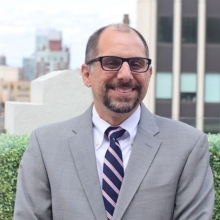
Which law school courses, clinics, or experiences sparked your interest in real estate law?
Property with the late Professor Robert Zinman was my favorite first-year course. History has always been my passion. It was my college major and I earned an LL.M. in legal history after law school. As Professor Zinman opened my eyes to legal history’s importance in property class, it sparked my interest in the practice area. My understanding of legal history still influences how I approach the real estate law and title insurance matters I handle, including how I analyze deed chains, conveyances, and covenants.
What part of your job gets you out of bed each day?
Helping people is what excites me about going to work every day. Whether clients are buying their first home, investing in a property, or creating an estate plan, I love being able to bring their goals to fruition and demystify the complexities of the law. I remember my parents' house closing, their reliance on their attorney, and the relief and satisfaction they had when the closing was done. To be able to bring that feeling of comfort and confidence to others gives me the greatest satisfaction. I tell my clients, “If you’re going to lose sleep over something, just give me a call and we'll figure it out together.”
What advice would you give to current law students as they start their careers?
I would advise them to meet people! Being a lawyer is all about working with people. You can't be a lion tamer without lions. You can't practice law without people, whether they are colleagues, adversaries, or clients. Think of the common law itself—the essence of so much of what we do as lawyers. It’s based on people’s interactions. The more people you know in the industry (and in the world), the more likely you’ll find success.
What has surprised you about your career so far?
The biggest surprise has been how chance and the people I’ve met along the way have shaped my career path. You can be working in a field or in a firm for years and then from the least expected place a new opportunity arises—a new job, a new practice area, or a new teaching position. For example, earlier in my career, I was sitting at a closing representing a title company when a young attorney walked in to represent the bank. We hit it off and have been business partners now for over 20 years. That's why it's important to always do your best and treat others the way you want to be treated. You never know what chance encounter might influence your career.
Do you have any predictions for the real estate industry over the next year?
If I could predict the future I would invest and retire! But I can guarantee that New York real estate will always present opportunities for business, growth, and success.

Which law school courses, clinics, or experiences sparked your interest in real estate law?
At St. John’s, I took Property Law, Contracts Law, and Real Estate Transactions, which gave me a strong foundation in how legal principles intersect with business and finance. I found myself particularly drawn to the problem-solving aspect of real estate transactions, where legal structure meets creativity and strategy. Those courses helped me realize that I enjoy crafting solutions that not only solve legal problems but also help clients achieve their business goals. That realization naturally steered me toward a career in real estate finance.
What part of your job gets you out of bed each day?
What motivates me most is the combination of teamwork and impact. I get to work closely with colleagues, lender clients, borrowers and their counsel to structure creative financing solutions for some of the most challenging deals in the market. Every day brings new puzzles to solve and the satisfaction of seeing a project move from negotiation to closing is incredibly rewarding. Mentoring junior attorneys and helping them find their footing in such a dynamic practice has also become a meaningful part of my day-to-day.
What advice would you give to current law students as they start their careers?
I would encourage them to be curious and proactive—ask questions, take ownership of your work, and look for opportunities to add value beyond what is asked. Build relationships early with mentors and peers because the people you meet now will shape your career in ways you can’t yet imagine. And don’t be afraid to explore different practice areas before settling on one. Finding the right fit is key to long-term success and fulfillment.
What has surprised you about your career so far?
I’ve been pleasantly surprised by how much relationship-building drives success in commercial real estate law. The technical skills matter, but what really moves deals forward is trust, collaboration, and communication. I’ve also been surprised by how resilient and adaptive the industry is. No matter how challenging the market, there’s always innovation and opportunity for those willing to think creatively.
Do you have any predictions for the real estate industry over the next year?
I expect the next year to be defined by continued repricing and restructuring as borrowers and lenders adapt to higher interest rates and looming loan maturities. Distress will create opportunity, especially for well-capitalized lenders and investors.

Which law school courses, clinics, or experiences sparked your interest in real estate law?
One of my favorite classes in law school was Drafting Real Estate Transactions with the late Professor Robert Parella. He taught us the practicalities of the real estate market, sharing useful tips with a positive and inspiring demeanor. Also, my 2L internship at Kenneth Cole provided hands-on experience with retail leasing that helped propel me into my career.
What part of your job gets you out of bed each day?
The intellectual stimulation fuels my excitement for work. Every day is a new adventure at my job. There are always new things to learn and new problems to solve.
What advice would you give to current law students as they start their careers?
I have three primary pieces of advice: learn how to set appropriate boundaries with work early in your career; take care of your physical and mental health (no one else will!); and find a trustworthy mentor as soon as possible – that person may be invaluable as you navigate career shifts and difficult situations at work.
What has surprised you about your career so far?
The most surprising aspect of my career is how my success has been directly tied to how well I’ve communicated complicated legal concepts in a clear and concise manner to non-lawyers. Proper communication with your clients (whether internal communication as in-house counsel or external communication at a firm) will inspire confidence and lead to more informed decisions.
Do you have any predictions for the real estate industry over the next year?
I predict that shopping malls will make a recovery as landlords look to diversify their tenant offerings. Office leasing in major U.S. cities will continue to rise as companies bring their employees into the office more.

Which law school experiences sparked your interest in real estate law?
At St. John’s, I gained a broad legal education that deepened my appreciation for law and legislation. During my final three semesters, I interned extensively, about 20 hours per week, at the Manhattan District Attorney’s Office and both the Civil and Criminal Divisions of the U.S. Attorney’s Office in the Southern District. These experiences were invaluable and reinforced my desire to serve the public. That calling led me first to the SEC as an Enforcement Attorney, and now to my current role as Town Supervisor. Local government heavily intersects with real estate, as we work to balance responsible development with protecting neighborhood character and property values.
What part of your job gets you out of bed each day?
The people, without a doubt! I attend civic, business, and cultural events regularly, and I love recognizing the many volunteers and community leaders who make our town special: from Girl Scouts to centenarian veterans. I also oversee around 400 dedicated town employees who provide essential services. Every day brings something new, and I’m constantly inspired by our community’s spirit. I feel incredibly lucky to be in a role where I can learn, connect, and make a real difference.
What advice would you give to current law students?
Stay connected to St. John’s. It’s a powerful network. If you haven’t landed a job yet, volunteer! Organizations like the St. Vincent de Paul Society, Kiwanis, or your local Chamber of Commerce can benefit from your skills and it keeps you active and visible. Also, be open to paths you didn’t initially consider. Local government is a great example of a meaningful legal career that many overlook. Attend town meetings, get involved, and stay curious, you never know where that might lead!
What has surprised you about your career?
I never imagined running for public office. But when the opportunity came, I took a leap and it changed my life. That young law school graduate 30 years ago would be amazed at where I am now. So, don’t be afraid to try something new. Your legal skills are adaptable to many fields.
Do you have any predictions for real estate law in the coming year?
We’ll need collaborative solutions on Long Island, especially around waste management, water protection, and affordable housing. Real estate attorneys will be key in advancing zoning changes to allow growth in areas with the right infrastructure, helping expand our tax base and supporting residents without overburdening them.

What sparked your interest in real estate law?
When I started law school, I didn’t plan on specializing in real estate. But my Real Property and Contracts classes changed that. Learning about leases, assignments, and tenancies showed me how transactional law works in the real world and I found that really engaging. My experience in the Bankruptcy Clinic, especially with Chapter 11 cases, further deepened my appreciation for the field. I saw how property law is central to financial restructuring, and that blend of legal theory and practical problem-solving hooked me.
What motivates you to come to work each day?
The team that I work with. They are smart and supportive, and that makes the long hours and tough projects worth it. In M&A, we help middle-market companies navigate major transactions while staying true to their identity. It is incredibly rewarding. These companies have values and visions that matter, and playing a role in preserving those during high-stakes deals makes my work feel meaningful.
What advice would you give current law students?
Take a broad range of classes, don’t limit yourself to only what’s on the bar exam. Drafting courses are incredibly useful because they teach you the practical skills you'll use daily. Also, don’t overlook classes that help develop soft skills, like trial advocacy. Being a great communicator makes a big difference, no matter what kind of law you practice.
What’s been the biggest surprise in your career?
Honestly, realizing how much I’ve learned. A recent standout moment was being interviewed by the CEO of Deal Room. Talking confidently about the full lifecycle of transactions from start to finish was a surreal reminder of how far I’ve come. Early in my career, I wouldn’t have imagined knowing enough to speak at that level, but the knowledge builds with every deal and experience.
What’s your outlook for the real estate industry?
I see turbulence ahead. There’s plenty of available property, yet prices remain high. Remote work continues to reshape demand, but some institutional clients are pushing for a return to the office. That tension could lead to another downturn. I also worry about projects that depend on federal funding, especially those with diversity goals these may struggle to secure financing or tenants. Even though I primarily work in M&A, I’ve learned that leases can make or break a deal. Understanding real estate fundamentals is essential in corporate law today.
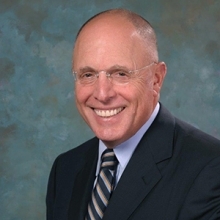
Which law school courses, clinics, or experiences sparked your interest in real estate law?
My interest in real estate law was sparked in my Property Law and Contracts Law courses, where I was introduced to the complexities of property rights and development. These experiences provided the foundation for my career and showed me how impactful real estate law can be on individuals and communities.
What part of your job gets you out of bed each day?
What gets me out of bed each day is the opportunity to assist clients in navigating complex real estate matters and achieving their goals. I enjoy the problem-solving aspect of the job, and it’s fulfilling to see how my work can shape communities and businesses. The fast-paced nature of real estate law, with its constantly evolving challenges, keeps me energized and engaged.
What advice would you give to current law students as they start their careers?
To current law students, I’d advise focusing on building strong networks early on—relationships are key in any legal field, especially real estate. Gain hands-on experience through internships, externships, or clinics, as practical skills are essential in real estate law. Stay open to different opportunities, as interests can evolve over time. Finally, keep learning and stay updated on changes in the law and market trends to remain competitive in this dynamic field.
What has surprised you about your career so far?
What has surprised me most about my career is the unexpected variety of challenges and opportunities that come with practicing real estate law. Every transaction and development project is unique, which keeps the work dynamic and engaging. I’ve also been surprised by how much impact the legal side of real estate has on broader community development and urban growth, which is both rewarding and fulfilling.
Do you have any predictions for the real estate industry over the next year?
Over the next year, I anticipate continued challenges and opportunities in the real estate industry. With interest rates and inflation affecting market conditions, we may see slower growth, but demand for residential and commercial properties will likely remain steady in key markets such as Long Island. Technological advancements and the shift toward hybrid work could drive changes in how office spaces are used. Additionally, community opposition to proposed real estate projects will continue to be a challenge going forward.

Which law school courses, clinics, or experiences sparked your interest in real estate law?
In my 1L Property class, the late Professor Bob Zinman shared real-world stories from his days as counsel for MetLife. After he described the intricate and discrete components of development projects like Penn Station and the United Nations, I never looked at New York City the same way again. Much of my practice focuses on litigation related to real estate and real estate financing. Professor Zinman taught us the esoteric world of mortgage-backed securities years before the 2008 financial crisis, and it’s his explanation that still resonates most with me after all these years.
What part of your job gets you out of bed each day?
I enjoy the dynamic aspect of solving unexpected problems for clients. Attorneys are in the service industry. To serve clients and help them solve problems and accomplish goals, you have to make yourself available to tackle whatever issues arise. While that can be challenging, it’s rewarding to know that people rely on you. If you’re fortunate enough to have someone reach out to you for help, then you do everything you can to ensure their needs are met each time.
What advice would you give to current law students as they start their careers?
I’d tell them to knock on doors, be proactive, and seek out opportunities. If you’re assertive and show interest, you’ll put yourself in a better position to take on more challenging and interesting work sooner. Also, pick up the phone instead of emailing. Phone calls can help you advance your (and your client’s) position and develop relationships that you cannot cultivate by email. Lastly, do the analysis. Even if you’re not assisting clients directly, try to recommend an answer, with support and analysis, and ask whether the partner you’re helping agrees or has any questions. Over time, you’ll cultivate the skills and confidence needed to advise clients yourself.
What has surprised you about your career so far?
What continues to surprise me is the change that occurs over time and the pace at which change can happen. In the short term, deals change, strategies change, clients change direction, disputes dissipate. In the longer term, businesses change, markets change, firms change, government changes, laws change. These changes are largely outside your control as an attorney. But you need to be aware and adept, since change presents new, often unforeseen, opportunities.
Do you have any predictions for the real estate industry over the next year?
I predict continued uncertainty, especially with respect to real estate financing. Foreclosures and other lender enforcement actions against commercial real estate continue to rise after years of loan forbearance and modifications. Commercial real estate borrowers continue to face challenges with higher interest rates and decreased asset value, leaving them with limited options as current low-interest debt matures.

Which law school courses, clinics, or experiences sparked your interest in real estate law?
I was a real estate paralegal before law school and enjoyed the work. So, when I started at St. John's Law, I knew I wanted to pursue a career in real estate. I took Banking Law, Business Planning, Real Estate Drafting, and other upper-level classes that helped me build my real estate knowledge and skills. I was also active in the Dispute Resolution Society (DRS), which helped me improve my public speaking and learn how to craft compromises that get deals done. Through DRS, I became very close with the late Professor Elayne Greenberg, who served as a mentor, friend, and champion of my personal and professional goals.
What part of your job gets you out of bed each day?
I like working with sophisticated clients on complex deals and seeing how my work shapes and changes the New York City skyline. It’s always exciting to walk down the street and see an address I recognize from a deal.
What advice would you give to current law students as they start their careers?
You never know where your career, or the careers of your classmates, friends, and acquaintances, will go. Try to stay in touch with your circle of contacts. Get that coffee or meet up at an alumni event, because your personal network can help you land your next client or role. Anything can be business development, including getting to know people in your neighborhood and other parents at your kids’ school.
What has surprised you about your career so far?
I’m always surprised by how fast the years have passed. It feels like yesterday that I started practicing. In the past 10 years, I’ve gone from associate to partner, and now I’m back on campus teaching Condominiums, Cooperatives and Homeowner Associations. I’m so happy I picked a career that has led me back to St. John’s Law.
Do you have any predictions for the real estate industry over the next year?
The market is, and always has been, cyclical. There will be ups and downs with interest rates and political climates, which will ebb and flow transactions, depending on which way things are going. It’s always a good idea to try and diversify your practice, so you have niches you can rely on at any stage of the cycle. I’m particularly interested in seeing how office to residential conversions play out in the coming years. Real estate can be notoriously stodgy, so I’m also interested in seeing how the rapid growth of AI changes how we make real estate deals and handle transactions.

Which law school courses, clinics, or experiences sparked your interest in real estate law?
My interest in real estate law was significantly shaped by courses and experiences at St. John’s Law. Participating in the Real Property Law Society allowed me to network with professionals in the field and gain insights into the diverse aspects of real estate law. My coursework included foundational classes in property law, as well as advanced courses like Commercial Real Estate Leasing, Real Estate Transactions, and Real Estate Development. In the Tenants' Rights Advocacy Clinic, I gained invaluable experience as I engaged in legal research, drafted motions related to New York’s landlord-tenant law, and saw firsthand how real estate law impacts people's lives.
What part of your job gets you out of bed each day?
The dynamic nature of the real estate industry challenges me continuously. I thrive on the challenges of each case, knowing that my work can help clients navigate complex legal situations and achieve their goals.
What advice would you give to current law students as they start their careers?
My advice is to gain as much practical experience as possible through internships, externships, and networking. Engaging with professionals in your area of interest can provide invaluable insights into the realities of practice. Stay proactive in seeking mentorship, as building relationships can lead to job opportunities and career growth. Also, keep an open mind about the areas of law you explore. You might discover unexpected interests that align with your skills and values.
What has surprised you about your career so far?
One surprising aspect of my career has been the rapid pace of change within the real estate industry, particularly with the increasing integration of technology and evolving market trends. The challenges posed by economic fluctuations and regulatory updates have made it clear that adaptability is essential in this field. Being able to stay informed and respond to these changes has reinforced my commitment to professional development.
Do you have any predictions for the real estate industry over the next year?
Looking ahead, I predict that the real estate industry will continue to see a push towards sustainability and eco-friendly practices, driven by consumer demand and regulatory changes. Additionally, the rental market may experience fluctuations as economic conditions evolve, impacting both landlords and tenants.
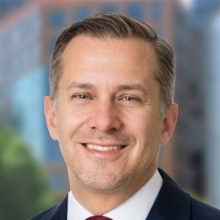
Which law school courses, clinics, or experiences sparked your interest in real estate law?
Although I initially approached law school with broad expectations, I found myself drawn to the transactional aspects of real estate after taking advanced property courses. A standout experience was the late Professor Bob Zinmann’s Advanced Real Property Transactions class, where I was introduced to the intricate process of purchasing air rights. I credit this course with honing my focus on real estate law. However, I also explored litigation through my involvement with the Frank S. Polesino Trial Advocacy Institute (PTAI), which enriched my perspective.
What part of your job gets you out of bed each day?
I thrive on the multifaceted nature of my role. My expertise spans litigation and the drafting of construction and access agreements, skills that complement each other. I approach my work with an acute awareness of how different stakeholders will interpret and respond to the documents I prepare, proactively addressing potential pitfalls during the drafting process. This combination of technical knowledge and personal engagement enables me to serve as a connector, adding value to projects and fostering meaningful collaborations.
What advice would you give to current law students as they start their careers?
When offering advice to current law students, I highlight the importance of seizing opportunities for growing and learning. I encourage proactive engagement with various opportunities, with a willingness to learn from failure. Additionally, since meaningful professional relationships require time and effort to develop, I share that there is immense value in networking, particularly through involvement in bar associations. Repeated interactions with key players can help build your career in the interconnected New York City real estate industry. Maintaining a reputation for integrity and respect is also crucial to advancing client interests while fostering collaborative relationships.
What has surprised you about your career so far?
Reflecting on my journey, there are no clear-cut pathways in law or real estate. I encourage aspiring lawyers to remain adaptable and open to alternative routes, noting that obstacles often give way to new opportunities. My career is a testament to the idea that persistence and exploration can lead to the discovery of our strengths and passions.
Do you have any predictions for the real estate industry over the next year?
Looking ahead, I’m optimistic about the future of the real estate industry. I anticipate increased activity as interest rates stabilize and new programs are introduced, emphasizing New York City’s ever-evolving built environment.