St. John’s Cemented Core Values for Alumnus and Laid Foundations for Success
The son of Eastern European immigrants, Ron Weidner ’81CBA arrived at St. John’s University with a world view shaped early by resilience, faith, and responsibility that only intensified during his time there. “I grew up in a tight-knit Gottschee community in Brooklyn and Queens, NY, surrounded by people who had lost everything during World War II and rebuilt their lives from scratch,” he explained. “From an early age, the values in our home were apparent: work hard, be grateful, serve others, and never take freedom or opportunity for granted.”
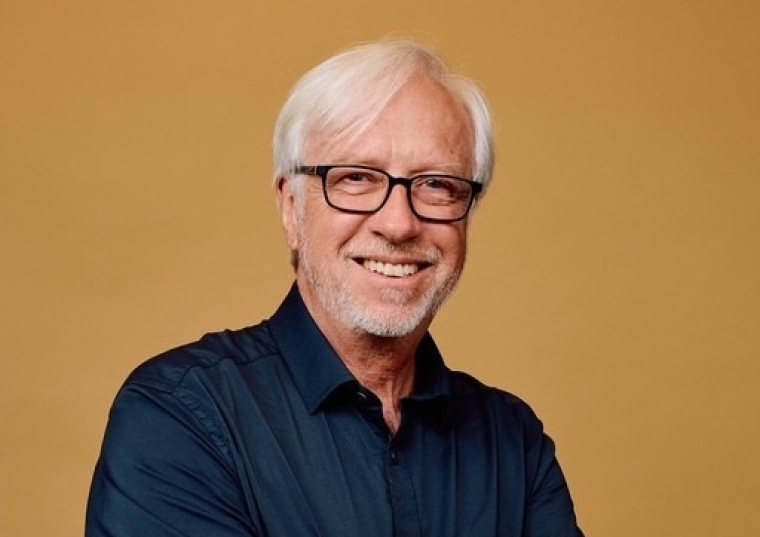
I chose St. John's because it aligned with my Catholic upbringing and values, but also because it offered a serious academic environment that was accessible to a working student commuting from Queens.
At 16, Mr. Weidner got a part-time job in the baggage room at LufthansaatJohn F. Kennedy International Airport. He worked his way up through passenger service to station operations.
“It was a great early lesson that if you show up, work hard, and give 120 percent effort to everything you do, people will trust you with more responsibility,” he said. “St. John’s was a natural continuation of that journey. I chose it because it aligned with my Catholic upbringing and values, but also because it offered a serious academic environment that was accessible to a working student commuting from Queens.”
During his years at St. John’s, Mr. Weidner balanced the demands of his job at the airport with a full course load. “That experience forced me to be disciplined and focused,” he explained. “What I learned in class during the day, I often applied at work that same week.”
St. John’s, Mr. Weidner mused, gave him more than technical preparation for a career in business and finance—it gave him a framework for how to lead. “Professors and mentors there reinforced the idea that business success isn’t simply about personal advancement, but about ethics, service, and the impact you have on others. That framing has stayed with me ever since and has been a through line in everything I’ve done after graduation.”
Mr. Weidner’s path has not been linear. He started in banking in New York, then moved to Berlin and Munich, Germany, and later to San Francisco, CA, consistently taking on new challenges and expanding his scope.
Initially, a contact at Lufthansa set him up with an interview at a German bank in New York City. “We had an hour-long interview, all in German, and I was told I could start the following Monday,” he recalled.
Mr. Weidner became an executive assistant, which offered him priceless insights into the inner workings of a financial institution. “My boss became a mentor, and that was the springboard that launched my career,” he said.
Mr. Weidner noted that the core drivers of his success are his motivation and curiosity. “You don’t wait for people to ask you to do something. You take on more responsibility and risk. Over time, you learn to manage those risks and then you can take on more risk as you build confidence.”
Throughout his 40-year career, Mr. Weidner has expanded into real estate, health care, and financial services. In 2009, he founded the Greenprint Foundation (which has since merged with the Urban Land Institute), a worldwide alliance of leading real estate owners, investors, and financial institutions committed to reducing carbon emissions across the global property industry. At that time, he brought together real estate executives and indigenous leaders from around the world in Greenland with renowned ethologist, conservationist, and humanitarian Jane Goodall, Ph.D., an experience he describes as formative in connecting values, lived experience, and long-term systems change.
A man of varied interests and possessed of a vast array of diverse talents, for Mr. Weidner, all roads lead back to St. John’s and his Catholic upbringing. Today, his work continues to follow the same through line: aligning innovation and finance with outcomes that serve people and the planet. He remains focused on how emerging tools—particularly artificial intelligence—can help institutions measure risk more honestly, allocate capital more responsibly, and build healthier, more resilient communities.
“You have to choose whether to stand firm in your values or compromise,” he reflected. “There were times in my career when choosing not to compromise came with real consequences: lost deals, slower advancement, and harder paths. However, in the end, holding that line has always proven to be the right decision—and it is ultimately what gives you credibility and peace of mind.”
More Stories Like This
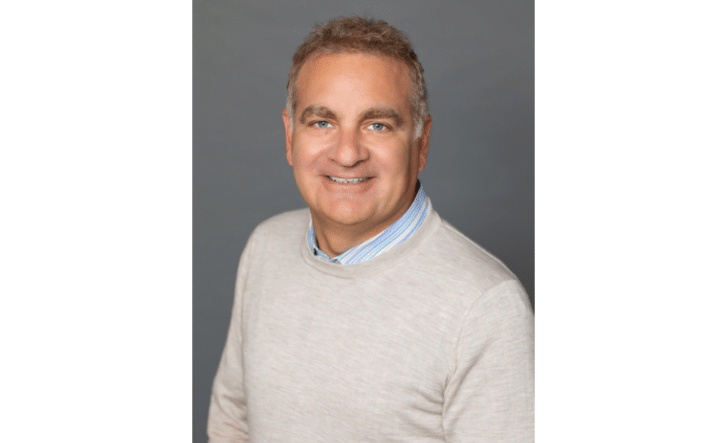
Smithtown, NY, native Michael Finamore ’96L believes that attending St. John’s University’s School of Law helped propel him to the great success he has enjoyed as an attorney and businessman. “When the opportunity came to go to law school, St. John’s was on the top of my list,” he stressed. “I love the culture of the city and the vibrancy, but still having that community around you.”
He added, “The School of Law was the perfect environment for me to pursue my dreams of becoming a prosecutor and trial lawyer as the community was, and still is, renowned for its jurists, public servants, and strong litigators.”
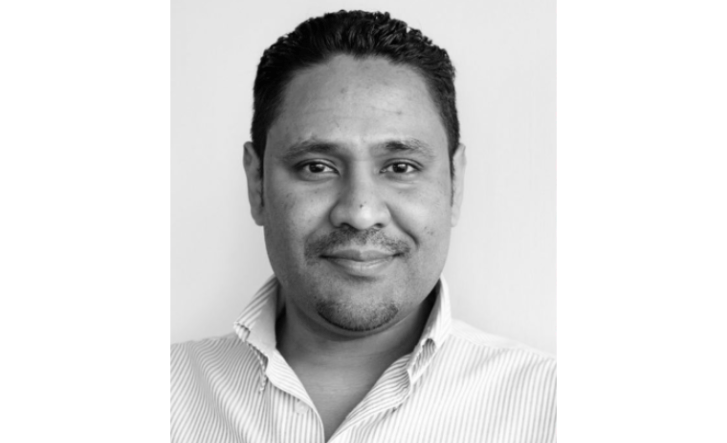
The son of immigrant parents from Guyana, Sean Soman ’98CBA never truly felt comfortable in school until he arrived at St. John’s University.
Several factors influenced his decision to attend St. John’s University. He attended St John’s Preparatory School in Queens, NY, which had a relationship with the University. “So, I was exposed to the University early,” he recalled. “I was interested in business, and the program had produced many great people. I loved the Men’s Basketball team and Coach Lou Carnesecca ’50SJC, ’60M.S.Ed., ’00HON. All those things were a factor.” Living in Kew Gardens also made it very convenient, he noted.
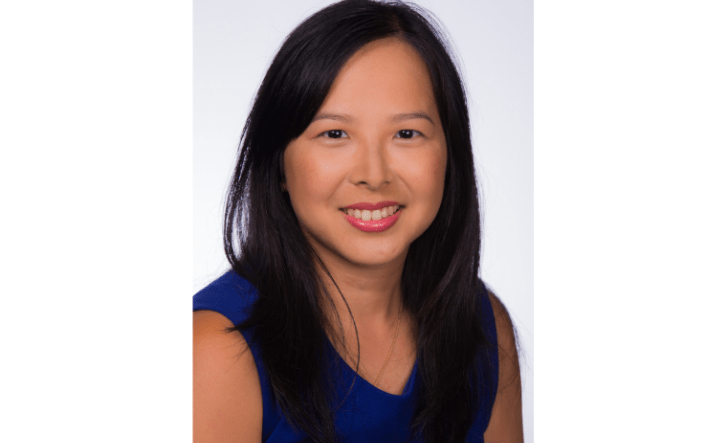
For Mary Choy ’05Pharm.D., family is everything.
Her mother’s suggestion to study pharmacy laid the foundation for Dr. Choy’s expansive medical expertise and success as an author, professor, clinician, public health advocate, strategist, and sought-after public speaker.