A Journeyman Scientist
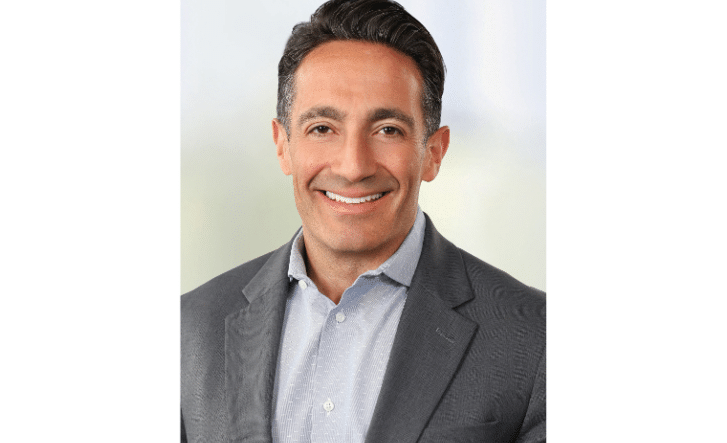
Joseph A. Madri, M.D., Ph.D. ’67SJC, ’69M.S. considers himself “a journeyman scientist,” having devoted more than 50 years of his life to pathology research and teaching.
His journey began in South Ozone Park, NY, and his curiosity led him to earn a B.S. and M.S. in biology at St. John’s University, and a Ph.D. in chemistry and a medical degree from Indiana University. Returning to the East Coast in 1975, he completed his residency and a fellowship in pathology and joined the faculty of Yale University, earning tenure as full professor and now enjoying Professor Emeritus status.
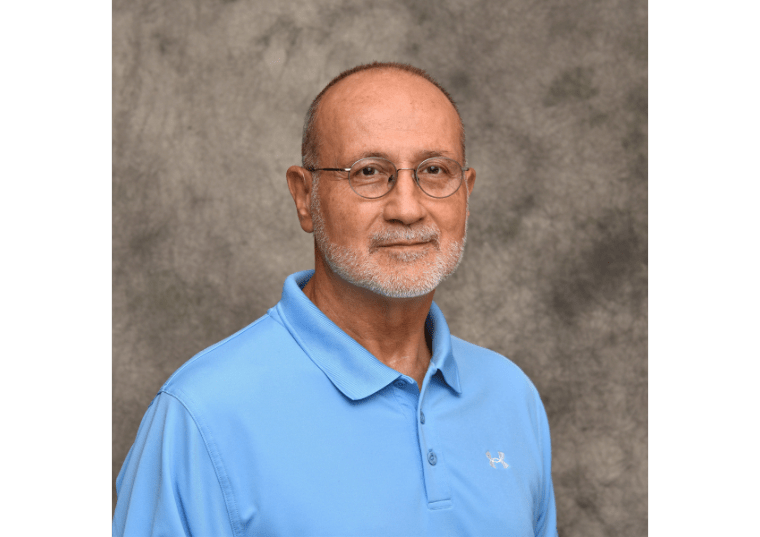
I enjoy teaching and interacting with the students, and I enjoy my lab and clinical work. I am fortunate to have a career that I love.
Joseph A. Madri, M.D., Ph.D. ’67SJC, ’69M.S. considers himself “a journeyman scientist,” having devoted more than 50 years of his life to pathology research and teaching.
His journey began in South Ozone Park, NY, and his curiosity led him to earn a B.S. and M.S. in biology at St. John’s University, and a Ph.D. in chemistry and a medical degree from Indiana University. Returning to the East Coast in 1975, he completed his residency and a fellowship in pathology and joined the faculty of Yale University, earning tenure as full professor and now enjoying Professor Emeritus status.
“I enjoy teaching and interacting with the students, and I enjoy my lab and clinical work. I am fortunate to have a career that I love,” Dr. Madri noted.
For four decades, Dr. Madri successfully maintained grant funding for his lab research from the National Institutes of Health(NIH); the American Heart Association; and the Multiple Sclerosis Foundation, earning a Method to Extend Research in Time (MERIT) Awardfrom the NIH. An author of nearly 300 academic papers and guest lecturer at scores of universities, he has edited academic journals and served on advisory boards of Shriners Children’s Research Institute and the Genzyme Corporation.
In the late 1980s, Dr. Madri, along with colleagues, Lenny Bell and Steve Squinto, explored the idea of developing a business plan and launching a company. Their persistence led to the founding of Alexion Pharmaceuticals in 1992, which focused on rare disease treatments. After years of research success, the company grew significantly before Dr. Madri stepped down in 2014. The company was acquired by AstraZeneca in 2016.
Dr. Madri’s equity enabled him and his wife, Lucille, to establish a charitable family foundation that provides support for local, national, and international initiatives including Doctors Without Borders,World Central Kitchen, Planned Parenthood, Connecticut Foodshare, Immigrant and Refugee Services, Homes for our Troops, and various services for at-risk youth. The foundation also ensures that important medical research and teaching can continue, with philanthropy including an endowed professorship at Yale, a research source grant for the YalePathology Department, and scholarships for M.D./Ph.D. combined degree students at Indiana University.
“It gives us great pleasure to see that we can pay it forward,” Dr. Madri offered. “People have helped me in my career, and we would like to help people going forward.”
His generosity also extends to mentorship and research support that enables the next generation of physician-scientists to continue working toward medical discoveries. Dr. Madri was honored with the Chugai Award for Outstanding Mentorship and Scholarship by the American Society for Investigative Pathology, a recognition that reflects his emphasis on paying it forward in the investigative sciences.
“At our academic center, I have mentored approximately 100 postdocs, graduate and medical students, and undergraduates,” he explained. “My former students and mentees are actively engaged in their medical, research, business, and legal careers.”
Dr. Madri pursues personal disciplines with equal focus and dedication. A student of Tae Kwon Do for more than 30 years, he achieved fourth-degree black belt and international instructor status, with an enthusiasm for the martial art that he has passed down to his adult children.
His journey of service and learning continues as he reflects on his current chapter. “I attend cancer grand rounds, and I go to research-in-progress talks,” Dr. Madri shared. “I consult with medical companies and am available when a young CEO wants advice.” He also participates in courses offered by the Yale Alumni Association, the latest focusing on Asian, African, and Indian social philosophies.
Dr. Madri’s commitment to the practice of rigorous scientific inquiry, to the life-saving power of medical research, and to supporting the advancement of knowledge in pathology ensures that his legacy of “journeyman scientist” will continue to extend far beyond the walls of his classrooms and laboratories.
More Stories Like This
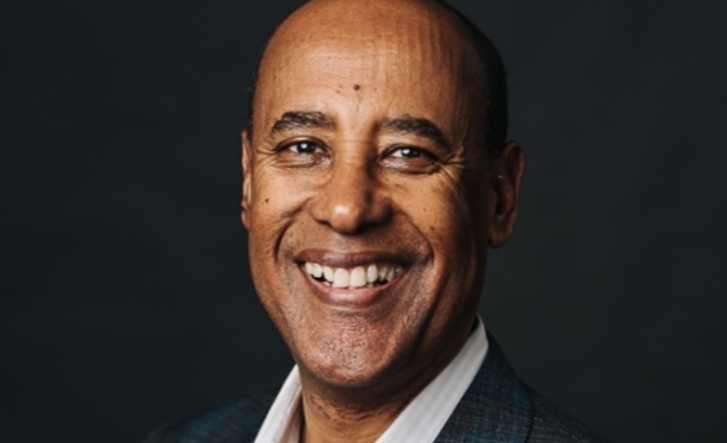
Mesfin Tegenu ’88M.S. originally accepted to medical school in his native Ethiopia, but a revolution and change of government disrupted the curriculum so much that he decided it was not feasible to continue. He pivoted to pharmacy and finding a school in the US, where a friend recommended St. John’s University.
Today, Mr. Tegenu is Chief Executive Officer and Chairman of RxParadigm, Inc a health-care technology company focused on improving transparency and efficiency in the pharmaceutical supply chain. His company works with hospitals, insurers, and pharmaceutical manufacturers to streamline complex reimbursement processes while ensuring compliance with evolving federal regulations, including new Medicare drug-pricing initiatives.
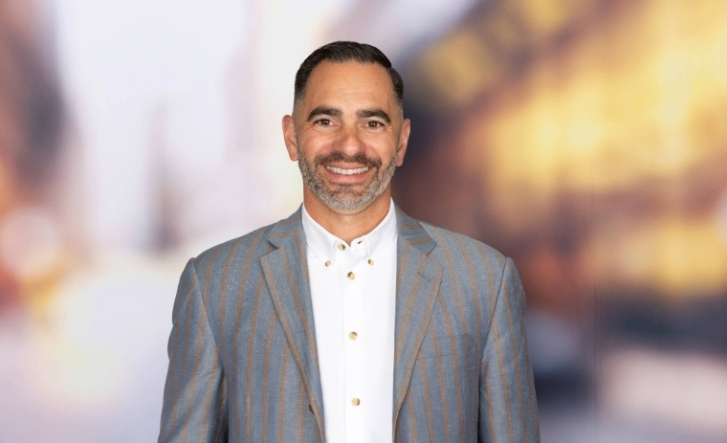
For Nunzio De Filippis ’03TCB, the global supply chain industry was woven into his life at an early age. Born in Brooklyn, NY, and raised on Long Island, he spent much of his youth learning about the business his father built after founding CargoTrans in 1989.
That early childhood exposure quickly provided Mr. De Filippis with a clear sense of direction. “I knew what I wanted to do when I was 12 years old, so I followed in my father’s footsteps,” he explained. “I jokingly tell people that I’m an ‘SOB’—a son of a broker.”
Salvatore A. Melilli ’96CBA actually never wanted to go to college. As a child of two immigrants from Italy, Mr. Melilli was born in Brooklyn, NY, and raised in both Brooklyn and on Staten Island, where he started working in the restaurant industry at a young age.
"I was working at a restaurant and did all types of things. I started as a busboy, waiter, and bartender. I did almost everything in the kitchen except cook,” he shared. “I fell in love with the restaurant industry—and I was adamant about not going to college."