Alumnus Applies Business Acumen Gained at St. John’s to Reduce Food Waste
Thomas McQuillan '91M.B.A. is widely regarded as a thought leader in full usage of food to feed people, animals, and soil, otherwise known as food waste reduction. He also claims a solid track record as a transformational executive with more than 35 years of successful business leadership rooted in his years pursuing his Master of Business Administration (M.B.A.) degree at St. John’s University.
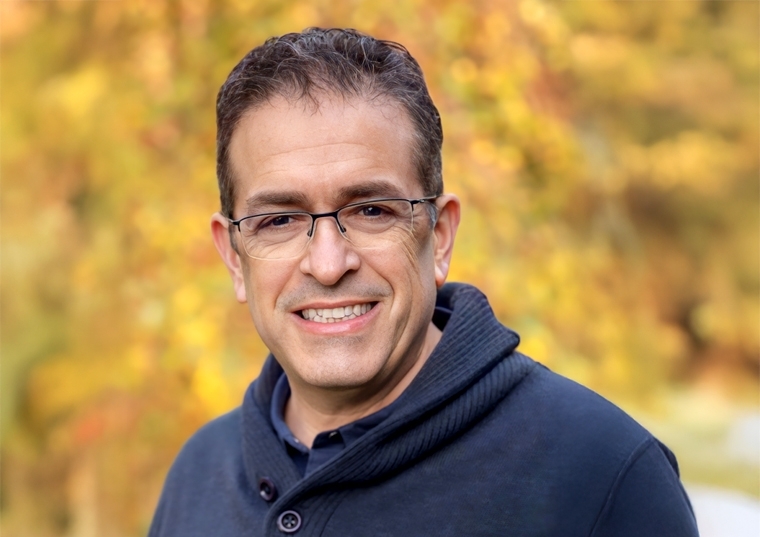
At St. John’s, I learned how to learn—and when you do that, you can solve any problem.
“I found my time at St. John’s to be extremely important because when I started as a student there, I had no concept of business and all the factors that make a business run,” recalled Mr. McQuillan. “St. John’s gave me that perspective.”
A native New Yorker, he takes pride in his blue-collar roots and is the first in his family to earn a master’s degree. “At St. John’s, I learned how to learn—and when you do that, you can solve any problem,” he said.
His passion for sustainability, particularly regarding reducing the harmful impact of wasted food destined for landfill on the environment, blossomed during his employment from 2015 to 2022 at Baldor Specialty Foods, Inc. Located in the Bronx, NY, it is one of the largest food distributors in the Northeast.
Mr. McQuillan assumed various roles at Baldor, culminating in his serving as Vice President of Sales and Sustainability. Tasked with creating a strategic plan to make Baldor more sustainable, Mr. McQuillan spearheaded the SparCs (scraps spelled backwards) initiative to reduce food waste throughout the company. The program ensures that 100 percent of the leftover food products generated from processing fruits and vegetables at Baldor are retrieved and used for human or animal consumption. To date, SparCs has diverted more than 10,000 tons of produce from landfills.
“When we think about growing food in the United States or around the world, there’s plenty of food to feed everyone,” Mr. McQuillan said. “We just have to make sure we allocate it properly so that when we create or grow food, there’s enough to feed everyone, generate the economic value we need, and ensure that whatever food remains is shared with those who are going without.”
Mr. McQuillan is currently deploying his problem-solving acumen as Vice President of Client Strategy for Denali. Based in Russellville, AR, it is the nation’s largest organic recycling company. The firm strives to repurpose unconsumed food such as pet food, expired baked goods, dairy products, beverages, out-of-date meat and produce, and used cooking oil. Denali partners with various industries, including grocery, agriculture, and food manufacturing, to capture their surplus food after donations occur.
Mr. McQuillan’s introduction to the business world occurred as a graduate assistant in the Department of Finance at St. John’s College of Business Administration, which is now called The Peter J. Tobin College of Business. Soon after he graduated, Mr. McQuillan became a full-time employee at the College. A few years later, he applied his fluency in Italian to help found St. John’s first international campus in Rome, Italy, and guided it to achieve profitable operations within two years. At that time, St. John’s offered all of the courses to complete an MBA or Master of Arts degree in Government and Politics in Rome.
He then served as the Executive Director of Graduate Business Programs at the Fox School of Business and Management at Temple University, in Philadelphia, PA, where he launched the school’s full-time M.B.A. program.
“I never thought about my-then career in higher education as a career in education. I thought of it as a career in business that happened to exist in the realm of education,” Mr. McQuillan explained. “I see a university as a business entity that must remain relevant and exciting. It needs to be mission driven and very clear about what it stands for.”
A lifelong Catholic, Mr. McQuillan was initially drawn to St. John’s because of the institution’s strong Catholic identity, commitment to the Vincentian mission, and location in his beloved city. “St. John’s was always—and remains—an icon in New York City,” he said.
More Stories Like This
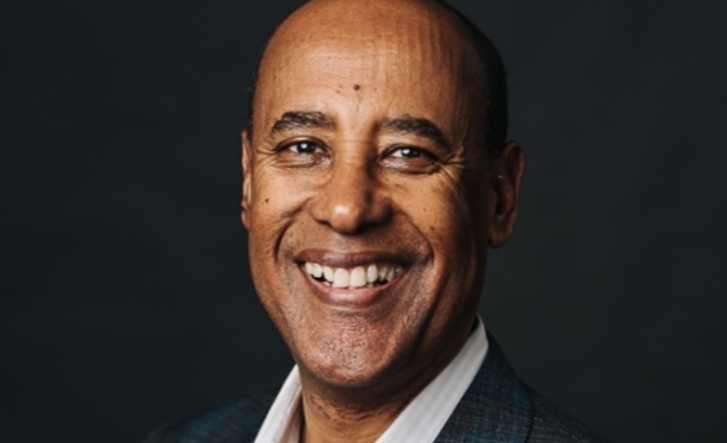
Mesfin Tegenu ’88M.S. originally accepted to medical school in his native Ethiopia, but a revolution and change of government disrupted the curriculum so much that he decided it was not feasible to continue. He pivoted to pharmacy and finding a school in the US, where a friend recommended St. John’s University.
Today, Mr. Tegenu is Chief Executive Officer and Chairman of RxParadigm, Inc a health-care technology company focused on improving transparency and efficiency in the pharmaceutical supply chain. His company works with hospitals, insurers, and pharmaceutical manufacturers to streamline complex reimbursement processes while ensuring compliance with evolving federal regulations, including new Medicare drug-pricing initiatives.
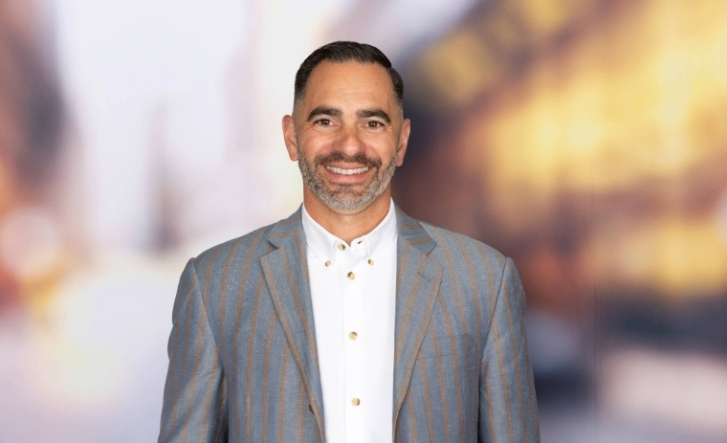
For Nunzio De Filippis ’03TCB, the global supply chain industry was woven into his life at an early age. Born in Brooklyn, NY, and raised on Long Island, he spent much of his youth learning about the business his father built after founding CargoTrans in 1989.
That early childhood exposure quickly provided Mr. De Filippis with a clear sense of direction. “I knew what I wanted to do when I was 12 years old, so I followed in my father’s footsteps,” he explained. “I jokingly tell people that I’m an ‘SOB’—a son of a broker.”
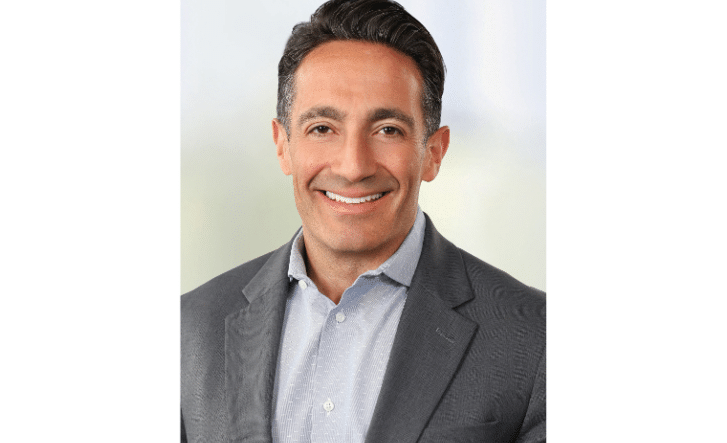
Salvatore A. Melilli ’96CBA actually never wanted to go to college. As a child of two immigrants from Italy, Mr. Melilli was born in Brooklyn, NY, and raised in both Brooklyn and on Staten Island, where he started working in the restaurant industry at a young age.
"I was working at a restaurant and did all types of things. I started as a busboy, waiter, and bartender. I did almost everything in the kitchen except cook,” he shared. “I fell in love with the restaurant industry—and I was adamant about not going to college."