
The Johnnies Blog
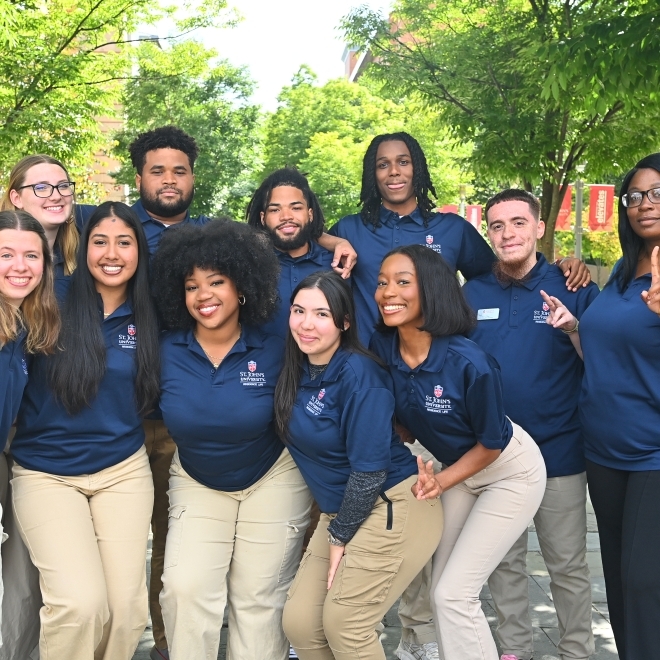

Top 5 Reasons for Transferring Colleges
Transferring colleges is a big decision. It’s not something to take lightly, as it involves a lot of planning, paperwork, and sometimes a change of scenery. For many students, though, transferring can be a positive and life-changing step, opening the door to new opportunities and a better college experience. Whether you’re debating on transferring colleges due to academic, social, or personal reasons, it’s important to understand the key motivations behind such a decision.
Let’s take a look at the top five reasons why students transfer colleges and how to navigate the process successfully.

The First-Generation Student Advantage: What Sets You Apart?
What does being the first in your family to attend college mean? For many, it’s about breaking barriers and stepping into new opportunities. First-generation college students, especially those studying outside of their home country, bring unique strengths and perspectives that make their journeys one of a kind.
In this blog, we explore what it means to be a first-generation college student and hear directly from those leading the way, sharing their experiences and the advantages they’ve discovered.
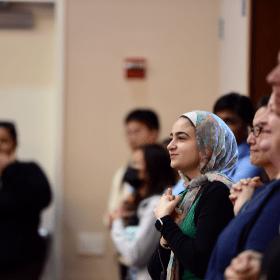
Six Reasons Why International Students Love Studying in New York City
In the 2023–24 academic year, more than one million international students chose the United States of America (USA) as their destination for higher education. What draws them to the USA? Here are six compelling reasons why studying in America could be the transformative experience for which you’ve been searching!


7 Scholarship Application Mistakes to Avoid: Fund Your Education in 2025
Scholarships are an essential way to help fund your education, but with many students competing for the same opportunities, even small mistakes can hurt your chances of success. Whether you’re applying for the first time or you’ve already navigated the process, knowing what common mistakes to avoid can significantly improve the quality of your application and increase your chances of receiving a scholarship.
In this guide, we identify common mistakes in scholarship applications and provide expert advice from the undergraduate admission leadership at St. John’s University to help you submit the strongest application possible.
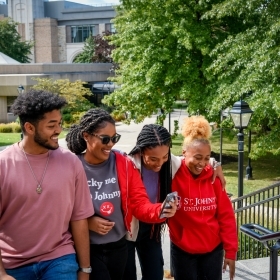
What I Wish I Knew before Attending College out of State: Tips for a Smooth Transition
Explore essential tips for a smooth transition to out-of-state college life, from managing costs to building friendships and overcoming homesickness.


Letters of Recommendation: Do They Make a Difference?
In the ever-evolving landscape of college admission, students often wonder which components of their application hold the most weight. Essays, test scores, and interviews are common focal points, but what about letters of recommendation? Once considered a pivotal aspect of the admission process, do they still carry the same influence?
In this post, we explore the true impact of letters of recommendation in the undergraduate and graduate application process and provide insights on making the most of this critical piece of your application.
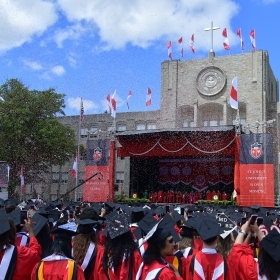
Graduate School: The Career Path You Might Overlook
Deciding to pursue graduate school is a pivotal choice that can profoundly shape your future. As more students turn to advanced education to gain a competitive edge, the question arises: Is it the right path for you? This guide explores the lasting impact graduate school can have on your career and personal growth, helping you weigh the benefits and key factors before making this life-changing decision.

How Early Action Applications Can Help You Get into College: What You Need to Know
Does applying early to college really help? Discover how Early Action can give you an edge in the admission process and help you make college plans sooner.
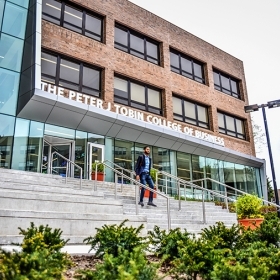
How Long Does it Take to Get an M.B.A.?
One of the key questions you may ask as you explore graduate programs is how long does it take to get an M.B.A.? The answer to this question is: it depends! There are several factors such as the type of program, your academic background, and whether you choose to study full time or part time. You can complete an M.B.A. in as little as 1.5 years or go at your own pace through six semesters.