
The Johnnies Blog

Thought Experiment: AI in Warfare
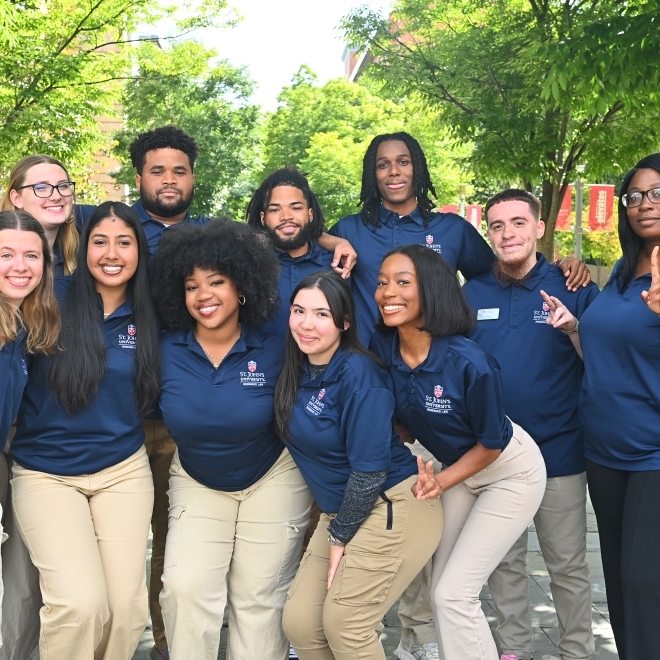
Read the rising role of artificial intelligence in warfare, and why students at St. John’s University in Queens, NY, feel global regulation is needed.

The Role of Generative AI in Cybersecurity
Discover how generative AI is revolutionizing cybersecurity. Gain new insights for cybersecurity professionals with St. John’s University, New York's M.S. in Cyber Security Program.

10 Must-Have Skills for Cyber and Information Security Careers
Cyber and information security job requirements can vary based on the position, field, or focus of work. Yet, there are 10 key essential skills that will help you be successful in any job you choose as a cyber and information security professional.
Does It Matter Where You Get Your M.B.A.?
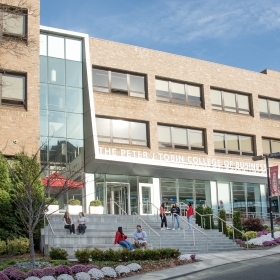
Don’t invest your time and resources in just any M.B.A. program. The reputation of the business school where you earn your degree can influence your job prospects and network. It’s not just about what employers think or getting that first job, either. The quality of the education you receive can affect your staying power and your ability to flex with a changing environment and achieve your aspirations.
So, how do you find a high-quality M.B.A.? First, you need to understand what it means to be a top program.

How Risk Management Fuels This St. John's Grad Student's Entrepreneurial Success
Meet Uday Kumar, founder of start-up company KnotHastags and current international graduate student in the M.S. in Enterprise Risk Management (ERM) degree program at St. John’s University.
In this Q&A, he discusses how his real-world experience, from launching a start-up to utilizing campus resources, fuels and supports his entrepreneurial ambitions.


Graduate School: The Career Path You Might Overlook
Deciding to pursue graduate school is a pivotal choice that can profoundly shape your future. As more students turn to advanced education to gain a competitive edge, the question arises: Is it the right path for you? This guide explores the lasting impact graduate school can have on your career and personal growth, helping you weigh the benefits and key factors before making this life-changing decision.

In-Demand Careers for M.B.A. Graduates
Graduates from M.B.A. programs—like the top-ranked M.B.A. program at The Peter J. Tobin College of Business at St. John’s University—are well positioned to take on challenging new roles, lead companies, and accelerate their careers.

Cybersecurity in a Global Context: A Student’s Journey in Rome
In this Q&A, Andre Duchatellier shares his insights and experiences from his unforgettable week in Rome, Italy, with St. John’s Cybersecurity in a Global Context program, where cybersecurity studies intertwined with cultural exploration and personal growth.

Marketing Intelligence vs. Marketing Analytics vs. Business Analytics: Choosing the Right Master’s Degree
As the Director of St. John’s University’s Master of Science (M.S.) in Marketing Intelligence degree program at The Peter J. Tobin College of Business, I often receive questions about the unique aspects and advantages of a master’s degree in marketing intelligence compared to degrees in marketing analytics or business analytics. In this blog post, I provide an overview of each of these programs offered at the University, highlighting the skills you develop and the career opportunities available with each degree.